When considering ways to improve your home’s energy efficiency, awning windows are becoming a more favored option for many homeowners. These windows provide distinct advantages in design, operation, and overall effectiveness. At WANJIA windows, we focus on premium windows. This includes our aluminum-clad wood awning window. It combines the strength of aluminum on the exterior with the warm insulating qualities of wood inside.
In this article, we will examine the energy savings from awning style windows. We will also look at how they stack up against other window types. Plus, we will explain why replacement awning windows could be a wise choice for your residence.
Benefits of Awning Windows: How to Enhance Home Ventilation and Functionality
What Are Awning Windows and How Do They Work?
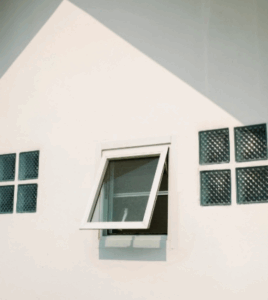
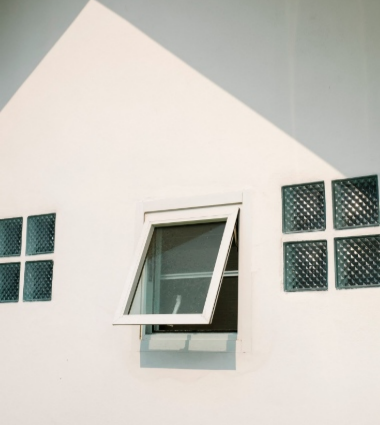
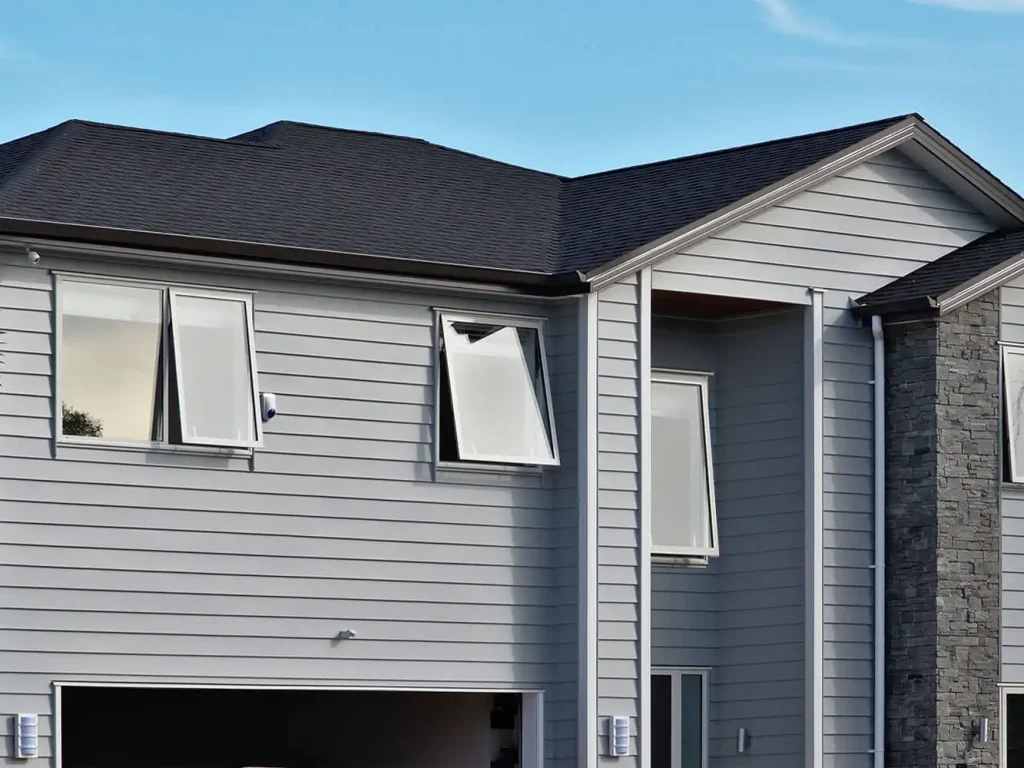
Awning windows hinge at the top. They swing outward to open. This special setup lets fresh air enter your house. At the same time, it shields the inside from rain and harsh weather. Regular windows might push out or lift up, but awning windows tilt from the top. Thus, they draw in the breeze while blocking moisture. Such windows suit spots in your house that need good airflow.
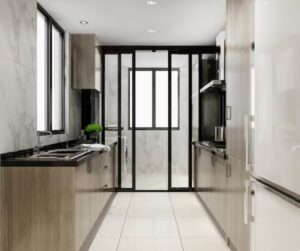
Yet, they must stay safe from outdoor conditions. Awning windows often appear in rooms like kitchens, bathrooms, basements, and sleeping areas. They prove handy for home awning windows, too. In those cases, they offer seclusion along with steady fresh air movement.
Why Are Awning Style Windows Beneficial for Home Ventilation?
Awning style windows give stronger ventilation management than other kinds. The top-hinged build makes air flow smoothly. It also pushes rainwater clear of the gap. Homeowners can take in clean air, even in rough weather. On top of that, aluminum awning windows stay small and use space wisely. They fit small rooms nicely, where wide openings just won’t work.
This setup lets them open partway. Safety and energy use stay solid. The outward angle encourages fresh air movement. However, it cuts down on contact with outside stuff, such as dust or litter.
Awning Window Design: How Does It Affect Energy Efficiency?
How Does Awning Window Design Contribute to Home Energy Efficiency?
The energy output of awning windows relies mainly on their firm seal system. The awning window design guarantees a tight fit when shut. The sash pushes close against the frame. This forms a no-air seal. It lowers drafts and warmth shift. Such a setup aids solid insulation and cuts power use a good deal.
These windows can crack open a little in soft rain. Thus, they keep the air inside clean. Homeowners avoid heavy use of machine vents. The mix of air flow and sealing boosts energy results across the board in every house.
Are Awning Windows More Energy-Efficient Than Other Types of Windows?
Awning windows beat casement or double-hung types with a snugger seal. Their press-lock setup does the trick. It blocks stray air entry and steadies room heat all year long. Homes then need less from heaters or coolers. This brings clear cuts in power costs as months pass.
Plus, with new glass tech like Low-E layers or paired panes, replacement awning windows top old single-glass ones. They shine in heat handling and noise blocking.
The Role of Aluminum Awning Windows in Home Energy Efficiency
Aluminum awning windows provide a reliable option for homeowners seeking durable, low-maintenance, and energy-efficient panels. The metal frame in these windows naturally withstands corrosion and harsh conditions. This feature makes them an excellent choice for homes in challenging environments.
Why Are Aluminum Awning Windows an Excellent Choice for Energy-Efficient Homes?
Aluminum awning windows mix the durability of aluminum with effective energy-saving glass and seals. The aluminum frame offers extra defense from harsh weather factors. As a result, it keeps the window in top shape for years. When you pair this with smart awning window design elements, such as double glazing and Low-E coatings, these windows deliver strong insulation. They help maintain a more efficient home energy use all year round.
How Do Aluminum Awning Windows Elevate Weather Resistance and Insulation?
The aluminum awning windows boast a sturdy aluminum outside layer. This setup makes them quite tough against moisture, corrosion, and various other factors that could weaken window strength. Plus, the wood interior offers an extra boost for warmth retention. It aids in maintaining steady room temperatures inside. Overall, this mix of materials cuts down on heat escape. It also delivers superior thermal protection compared to standard windows.
Why Are Replacement Awning Windows More Energy-Efficient Than Older Windows?
How Do Replacement Awning Windows Improve Home Insulation?
Replacement awning windows bring in advanced glazing systems like paired or triple sheets with gases such as argon for top insulation. Better edge seals also shrink air slips near frames. These parts hold the room heat steady, no matter what happens outside.
Products comply with ISO9001 quality management system certification, and some premium products comply with CE and NFRC energy-saving certification. Such compliance demonstrates that replacement units meet international standards for thermal efficiency—an assurance older models often lack.
Can Replacement Awning Windows Save on Energy Bills?
Switching worn single-glass windows to replacement awning windows brings real drops in heat and cool costs. Their stronger seals hold treated air in place. They also keep the outer heat or chill away. As time goes by, owners spot solid savings on power tabs. Comfort inside grows, too.
What’s more, since modern designs use materials such as aluminum-clad wood—which blends inside wood warmth with exterior aluminum cladding—they offer great lasting power. Looks and work stay top-notch.
How to Choose the Right Awning Windows for Your Home
What Are the Ideal Locations for Home Awning Windows?
Home awning windows shine in wet spots like kitchens or bathrooms. Steady air flow there stops mold buildup. They work great for basements as well. The raised spot lets air pass without hurting safety or private views.
Placing them higher on the walls ramps up air crossing. It also gives a clear view of daylight all day long. This lifts use and style both.
Selecting the Right Size for Awning Windows
Standard door frame sizes typically range between 24 to 36 inches wide and 36 to 72 inches high.However, custom configurations can be crafted to fit unique architectural layouts. At WANJIA windows, we offer personalized measurement services ensuring each installation fits seamlessly into your home’s structure while maintaining optimal performance standards.
Why Are WANJIA Windows Aluminum-Clad Wood Awning Windows a Great Choice?
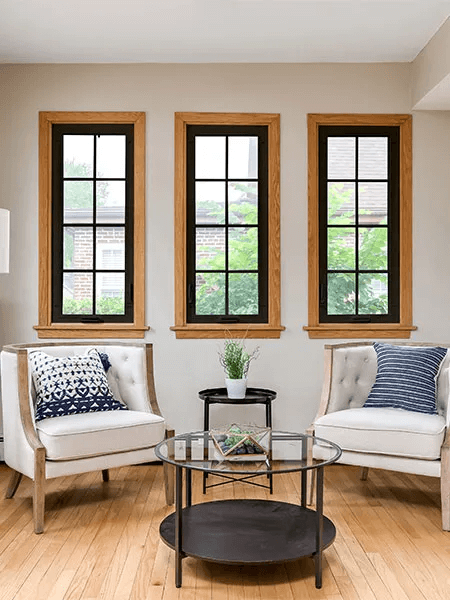
At WANJIA windows, we provide various aluminum-clad wood window options. Our aluminum-clad wood awning window combines the strength of an aluminum outside layer with the charm and effective cold-weather protection of real wood inside. This setup delivers the top advantages from both materials.
We are a premium maker of windows and doors. Our facility features a advanced production setup. Every single unit goes through tough checks in harsh temperature swings. This helps confirm solid build quality that resists breaking or rusting. Following tests in intense heat, bitter cold, and shifting moisture levels, we guarantee lasting firmness. This approach stops wood from splitting and aluminum from corroding.
Our products incorporate advanced features such as double glazing and exact sealing mechanisms. These elements work to minimize heat loss quite well. As a result, we offer a range of items that boost the look of your house. They also help promote eco-friendly habits by cutting down on power use.
By choosing our aluminum-clad wood awning window collection, you gain strong protection against harsh weather on the exterior. At the same time, it offers a warm and inviting feel indoors. This smart mix works well in every type of weather around the globe.
FAQ
Q: Are awning windows energy-efficient?
A: Yes. Awning windows are highly energy-efficient due to their compression-sealed design that eliminates drafts while ensuring consistent insulation across all seasons.
Q: How do I know if my current windows need to be replaced with awning windows?
A: If your current windows let in drafts, fail to seal well, or if you notice a clear rise in energy costs, you should think about getting replacement awning windows. These windows provide better insulation and protection from weather. As a result, they can boost your home’s energy savings.
Q: How do I choose the right size for replacement awning windows?
A: Measure your existing frame’s width and height carefully before ordering new units. Standard dimensions range from 24 to 36 inches wide. However, we at WANJIA windows provide tailored solutions so every replacement fits perfectly within your architectural layout without compromising efficiency or aesthetics.