Sliding Door Sightlines and Their Impact on Home Aesthetics
Understanding the Concept of Sightlines in Sliding Doors
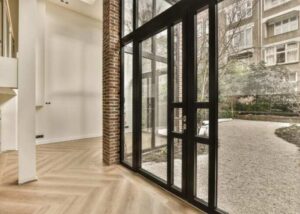
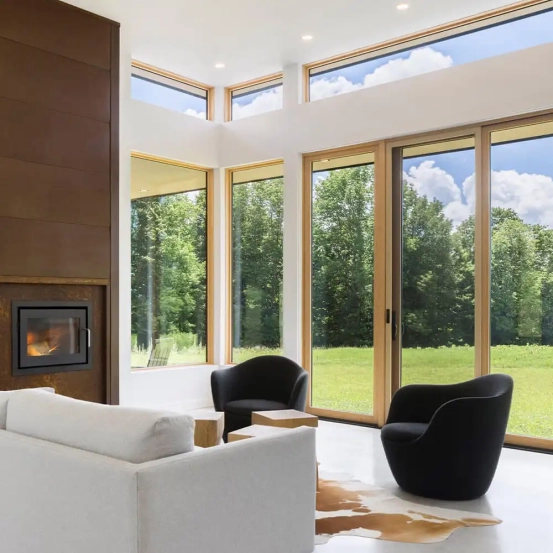
Sightlines in sliding doors refer to the visible width of the frame between glass panes. They play an important role in shaping between inside and outside areas. Slim sightlines offer a smoother view. They let natural light enter easily. This boosts a sense of openness. Thicker frames highlight the structure. However, they might break the connection to the outdoors.
In building design, sightlines influence the appearance and spatial perception. Homeowners who want a bright and airy style often opt for slender sightlines because they maximize the glass areas. Even small differences in frame with can affect how large or open a room feels. The goal is to find the right balance. Maintain the structural integrity while preserving unobstructed views and natural light.
The Role of Minimal Frames in Enhancing Sightlines
Slim frames are a defining feature of modern sliding door design. They allow for larger glass panels while keeping the frame profile narrow. These designs prioritize the view over the components. The sliding glass doors are crafted from top-quality solid wood and aluminum profiles. They showcase natural wood patterns with fine finishes. This combination provides enduring strength. It also adds a sleek appearance that aligns with current building trends.
Builders now like simple frames from items like aluminum-clad wood. These provide power and grace. The adaptable setup allows simple use and changes. New methods, such as heat barriers and exact joints, back slim frame builds. They do so without losing quality. These steps let owners see wide views. At the same time, they keep good energy savings and safety levels.
Space-Saving Layout Ideas with Sliding Doors
Maximizing Space with Sliding Door Configurations
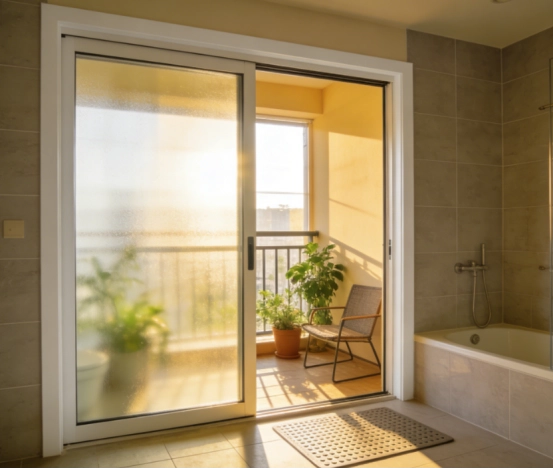
Sliding doors are a great way to maximize space in both small rooms and open layouts. Hinged doors require space to swing open, while sliding doors glide along tracks mounted along the frame or walls. This design frees up more floor space and offers a smooth and quiet operation. The compact design of sliding doors is suitable for small or narrow areas, optimizing space utilization without any waste.
Different configurations, such as single-track sliders, folding systems, or hidden doors, provide options based on the room’s size and usage. In spacious living areas, large glass sliding doors connect indoor seating areas with decks or yards. They facilitate seamless transitions, increasing the inflow of fresh air and daylight. The result is a vibrant environment that can be easily adapted for different activities.
Integrating Sliding Doors into Modern Interior Design
Today’s room styles utilize sliding doors as practical partitions and aesthetic enhancements. They seamlessly integrate into minimalist, Nordic, industrial, or contemporary designs. This is attributed to their clean lines and adjustable panels. You can choose from a variety of colors for the aluminum. Please note that there may be minor color differences, and the actual products shall prevail. This option allows designers to coordinate the door frames with the floors, wall textures, or storage units, creating a cohesive visual effect.
Matching components such as built-in handles from brands like ROTO or CMECH add a touch of sophistication while maintaining the minimalist appearance. Natural elements like wooden panels, such as American oak or dark walnut, bring warmth to counterbalance the coolness of the metal frames. These features transform sliding doors into focal points, shaping modern living spaces.
Energy Efficiency Considerations for Sliding Doors
Key Factors Affecting Energy Performance in Sliding Doors
Energy savings primarily depend on insulation strength and glass technology in sliding door setups. Layered Low-E glass reduces heat transfer while allowing light to pass through effectively. We utilize hollow glass, LOW-E glass, double sealing strips, and other technologies to enable the sound insulation performance of doors and windows to reach 35-45 decibels, effectively reducing noise.
Good seals prevent air leaks near tracks or joints. This is crucial for maintaining consistent indoor comfort throughout the year.
Manufacturers now incorporate green elements such as reusable aluminum with heat-split profiles. These enhance performance metrics. The products are made of recyclable materials, and the wood can be sourced from sustainable resources, meeting environmental standards. These measures reduce heating and cooling costs and also align with global green goals.
Evaluating the Energy Efficiency of Different Sliding Door Models
When picking energy-saving types, owners should check U-factor for heat pass, frame material heat flow, glass depth, and weather guard quality. Studies show aluminum-clad wood styles often beat plain aluminum. This is due to wood’s built-in insulation plus aluminum’s toughness.
WANJIA windows offer great resistance to wind and window, while the casement design allows for excellent ventilation. Though this refers to window systems generally, similar principles apply to sliding configurations using comparable materials. Over time, choosing energy-saving options cuts power costs. It also raises home worth. This is a smart gain with green duty.
Modern Features and Added Value with Sliding Doors
Smart Features Enhancing Functionality and Convenience
Modern sliding doors add smart tech for ease and safety. Auto systems let you open or close from afar with phone apps or sensors in home setups. It can remote control the door open. Intelligent monitoring in a real time, control distance in accuracy. These add to daily use with simple moves and strong safety like block sense or auto-lock.
Such new ideas suit superior homes best. There, simple use pairs with fine builds. Links to voice helpers or air systems make comfort personal all day.
Increasing Property Value Through Stylish Sliding Door Installations
Top sliding doors raise front looks and sale chances. They mix use with fine style. Enhance both the aesthetic and comfort of a home. It can significantly boost property value. Buyers now seek energy savings, smart links, and fresh designs. Premium sliding door setups offer all these.
Styles show more want for wide glass fronts. These use thin frames but stand firm against bad weather. Examples prove homes with these changes sell for more. This comes from seen luxury and real gains.
Determining the Suitability of Sliding Doors for Your Home
Assessing Your Home’s Layout and Design Needs
Before fitting, check space setup. This matches style wants with use needs. Things like wall strength for loads, track spots (ceiling or floor), and sun face based on light strength all shape the choice.
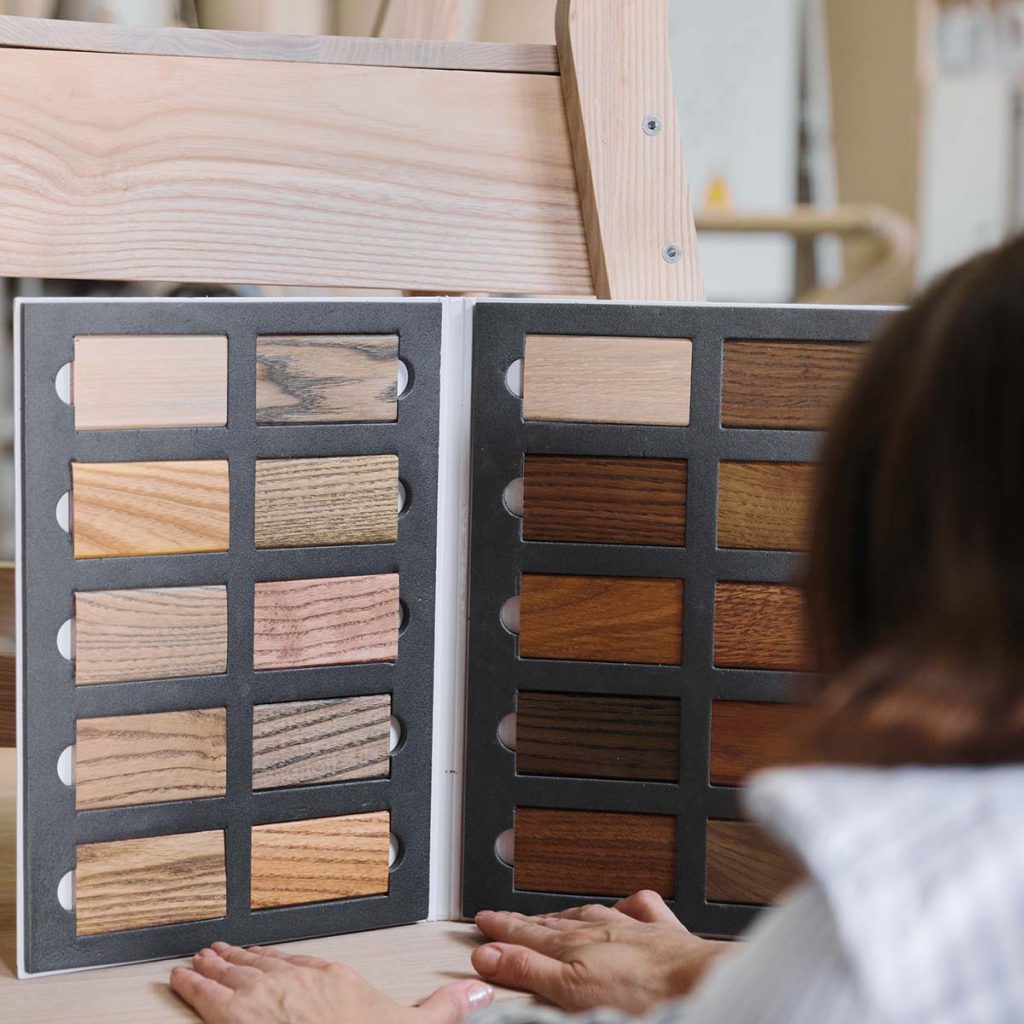
We provide personalized customization service. Customers can choose different wood species, aluminum colors, glass options and door and window sizes according to their needs to ensure that the product perfectly matches your architectural style and functional requirements. For instance, aluminum clad wood sliding doors from WANJIA windows offer durable options for various setups. Collaboration with builders aids balance. It weighs clear views inside against private needs outside. This is key for big panels facing open areas.
Teamwork with skilled makers who give tech advice ensures easy project flow. It runs from idea to end. It also meets build safety rules.
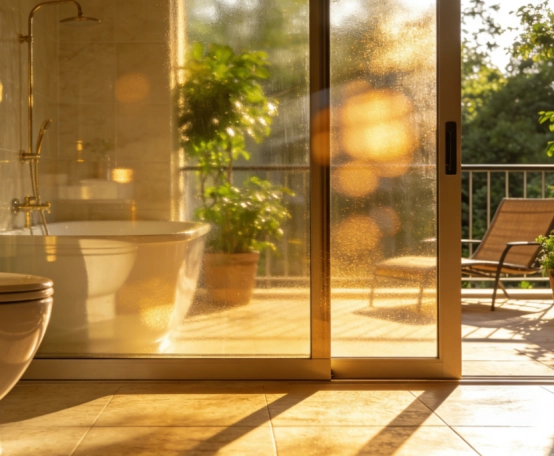
Full care for sightline tweaks with slim frames boosts style draw. It also raises use via smart space plans. Thus, modern sliding doors become vital in current builds. They focus on grace, green ways, and smart living spots. For example, bathroom door solutions from WANJIA windows provide practical choices for wet areas. Overall, our products ensure reliable performance across installations.
FAQ
Q: What are sightlines in sliding doors, and how do they affect home aesthetics?
A: Sightlines refer to the visible frame width between glass panes in sliding doors. Slim sightlines create seamless indoor-outdoor views, letting more light in and making spaces feel open. Wider ones add structure but can limit the flow, impacting the overall modern look of your home with aluminum clad wood sliding doors.
Q: How do sliding doors improve energy efficiency?
A: Sliding doors boost energy efficiency through features like Low-E glass, thermal breaks, and tight seals that reduce heat loss and noise up to 35-45 decibels. Models from WANJIA windows use recyclable materials for better insulation, lowering bills and supporting sustainability in your home setup.
Q: Are sliding doors suitable for small spaces, like bathrooms?
A: Yes, sliding doors save space by moving along walls instead of swinging out. They’re ideal for tight areas, including bathroom door applications. Configurations like pocket or telescopic styles from WANJIA windows maximize usability while keeping a clean, modern aesthetic.