Understanding the Tilt and Turn Window Mechanism
Defining the Tilt and Turn Window Design
A tilt and turn window is a handy European-style window setup. It gives two key uses. It can angle in at the top for air flow. Or, it can open wide in from the side, similar to a casement window. One handle manages this. It picks the mode based on how it turns. The basic handling and fit make it a growing pick for today’s building plans.
This two-way design blends security, simple handling, and better results. For example, the tilt and turn window with wood clad and aluminum from WANJIA windows is far more than a basic window. It truly captures building ideas and useful advances. Users manage air and entry with a single move. Yet it holds a solid seal when shut.
How the Tilt and Turn Mechanism Works
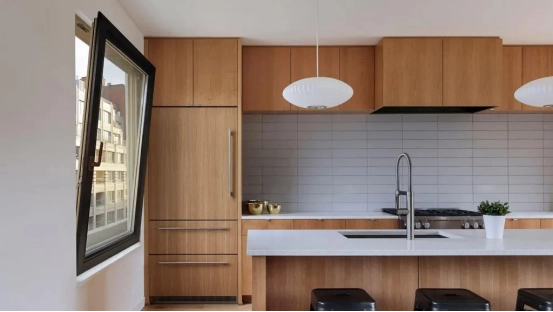
In tilt mode, the sash top bends in. This brings safe air flow. It keeps things secure too. It works well for kids’ areas or tall levels. By comparison, in full turn, the window swings in on side pins. It lets in lots of air and easy cleaning reach.
Inside parts make the mode change easy. They run without extra switches. Thus, owners can wipe the outside and inside safely. They do it with ease.
Architectural Advantages of Tilt and Turn Windows
Aesthetic Integration with Contemporary Design
Tilt and turn windows show clean lines, wide glass parts, and plain frames. These match current building likes without effort. Their steady look from in or out boosts visual balance.
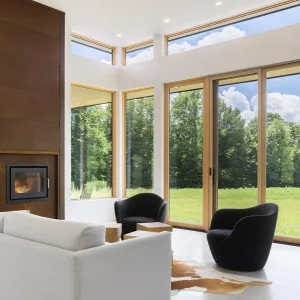
The style opens up big glass zones. These raise natural light. They also build a cozier and warmer home area. So, they suit houses that stress open feel and links to outdoors.
Enhancing Spatial Functionality in Modern Buildings
The in-swing design of tilt and turn windows skips blocking outside spots. It leaves paths, decks, or yards free. Their special air setups allow exact flow control. This aids clean inside air, mainly in packed city areas.
Tilt and turn window supports reach tall structures where outside reach is hard. Owners can clean the outer and inner sides from in. They do this without scaffolds or steps.
Performance Benefits for Modern Living Standards
Thermal Efficiency and Insulation Capabilities
Tilt and turn windows are known for great insulation traits. The multiple-point lock makes an air-tight close. It stops air leaks and warmth escape. With double or triple glass choices, they cut energy use much. They keep inside temps even.
The thermal break + hollow + aluminum-wood composite structure boosts sound block, close fit, and heat hold a lot. It cuts energy for heat and cool greatly.
Acoustic Insulation in Urban Environments
The tight frame of tilt and turn windows cuts outside sounds well. This helps buildings by roads, rails, or work sites. Aluminum-clad wood windows and doors from WANJIA windows give fine sound block. This holds true with double or triple glass. It shuts out street sounds and lifts inside ease.
They fit city spots best. There, a still inside space matters for good life.
Security Features Built into the Design
In tilt mode, tilt and turn windows let air in without wide open. This stops uninvited entry. When closed or angled, they lock firm at several spots.
The window stays hard to open from out. It blocks unallowed access. Also, sturdy parts from top brands like ROTO or SIEGENIA add more safety.
Material Options Tailored to Architectural Needs
uPVC Tilt and Turn Windows for Cost-Efficiency and Low Maintenance
uPVC gives a money-saving choice with little care needs. It fights damp, UV rays, and rust. No paint over needed. It comes in many styles. So it fits a wide range of applications.
Aluminium Frames for Sleek Profiles and Structural Strength
Aluminium gives firm build support. It holds thin shapes for bigger glass. Powder-coated finishes keep it lasting with good fade fight.
Powder-coated finishes keep color long. This makes aluminium frames right for city builds that need shape and work.
Wooden Frames for Natural Warmth in Eco-Friendly Designs
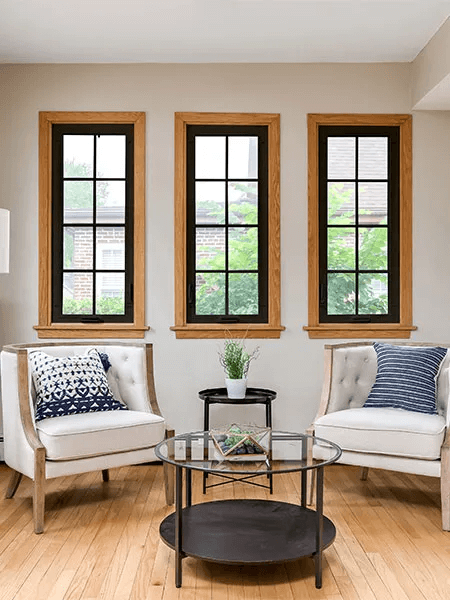
The wood insides add real feel to modern rooms. They give solid heat work too. They need some steady care. But they bring endless appeal. It mixes with old or country styles.
Wood may use green supplies. It hits eco marks. So this fits green-mind projects.
Comparing Tilt and Turn Windows to Other Window Types
Differences Between Tilt and Turn vs. Casement Windows
Casement windows typically swing out on side pins. This blocks near outside areas like patios or walks. Tilt and turn windows swing in instead. They skip those problems full.
They give better air handle with two uses. Standard casement lacks this.
Advantages Over Double-Hung Windows in Modern Contexts
Double-hung windows slide up-down and often get seal gaps over time. Tilt and turn windows give firmer seals due to their pressure blocking mechanisms. Their full in-open also lets simple clean from inside. This aids tall homes or work areas much.
Practical Considerations in Specification and Installation
Customization Options for Size, Glazing, and Frame Finishes
Modern tilt and turn windows allow wide tailoring. Sizes fit home or business. Glass choices have low-E coats for energy save, strong glass for safe, or sun control for less UV.
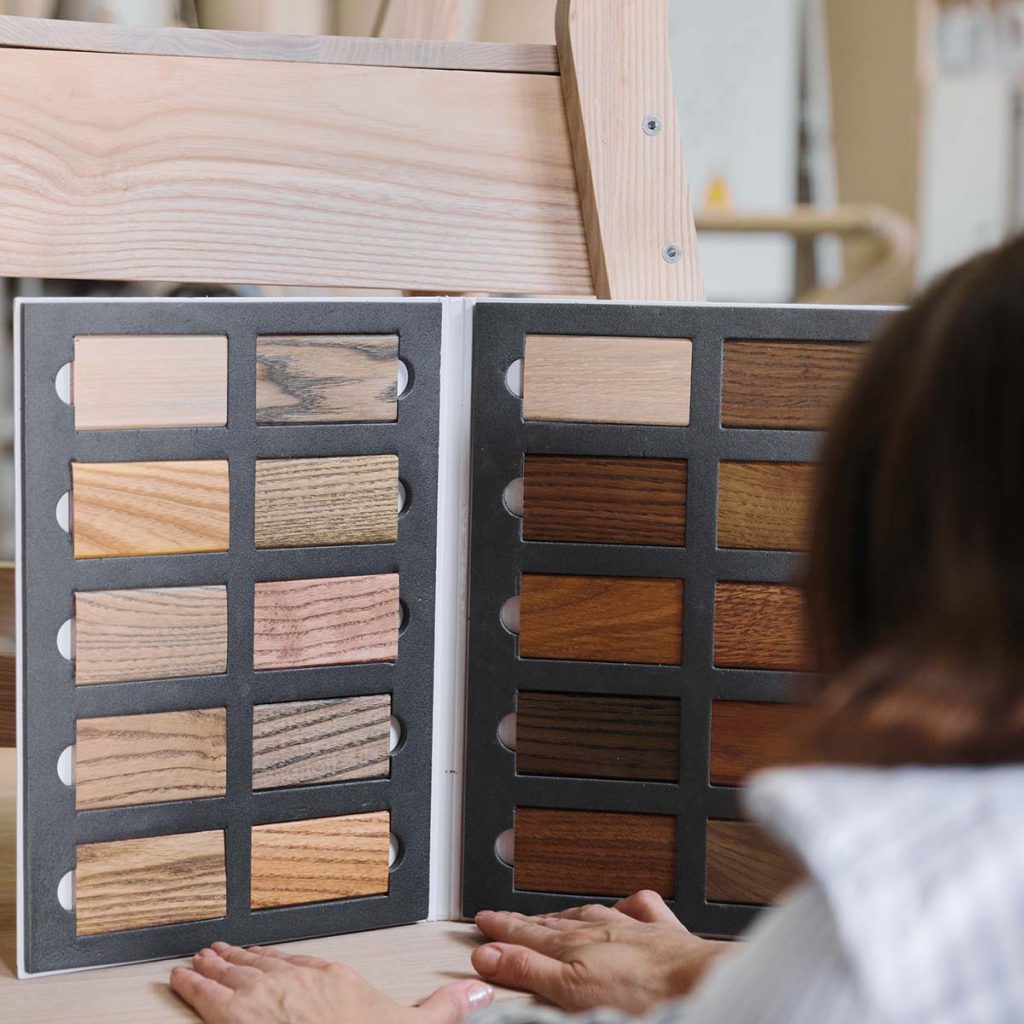
Buyers can select wood kinds, aluminum hues, glass picks, and sizes to fit needs. This makes the item match building style and use just right.
Installation Requirements for Optimal Performance
Right line-up in setup is vital. It keeps tilt and turn moves smooth. The setup needs exact European parts. So skilled fitters who know them are best.
Detailed setup guides and video helps far buyers. It keeps steady work in varied spots.
Cost Factors Influencing Investment Value
Price Range Based on Materials, Size, and Glazing Type
uPVC stays the most saving pick. But it has less style tweaks than aluminium or wood. Bigger sizes or fine triple-glass raise cost. Yet they bring equal heat gains.
Compared to old wooden or aluminum windows, aluminum-clad wood doors and windows cost a touch more. However, their strong last, energy save, and low care make them worth it long-term.
Long-Term Value Through Energy Savings and Durability
The superior insulation of tilt and turn windows cuts heat and cool needs all year. With tough stuff like aluminium-clad wood or powder-coated aluminium frames, they give long life with little fix.
Durability and longevity: Aluminum outer layer protects the wood core, extending the life of the window. Long savings on energy pay back start costs in few years.
FAQ
Q: What are the advantages of a tilt and turn window over a casement window?
A: Tilt and turn windows offer dual functionality, allowing users to tilt for ventilation or turn fully for wide opening. Unlike casement windows, which open outward, tilt and turn windows swing inward, saving exterior space and offering better control of airflow.
Q: How does the tilt and turn window mechanism enhance energy efficiency?
A: The tilt and turn window design features multi-point locking systems and strong seals to prevent air leaks, improving insulation. With options for double or triple glazing, it significantly reduces energy loss, ensuring more consistent indoor temperatures.
Q: Can tilt and turn windows be customized to match modern architecture?
A: Yes, tilt and turn windows are highly customizable, with options for frame materials like uPVC, aluminum, or wood. You can also select glass types and finishes, allowing them to complement a variety of architectural styles while maintaining functionality and energy efficiency.