Key Factors That Influence Tilt and Turn Windows Price
What Material Choices Affect the Cost of Tilt and Turn Windows?
Tilt and turn windows come in different materials materials. Each has its particular cost range and operating features. The most affordable choice is uPVC. It provides solid heat protection. Yet, it may not endure as much or appear as appealing as alternatives. Aluminum runs higher in expense. The reason lies in its sturdiness, slim structure, and resistance to corrosion.
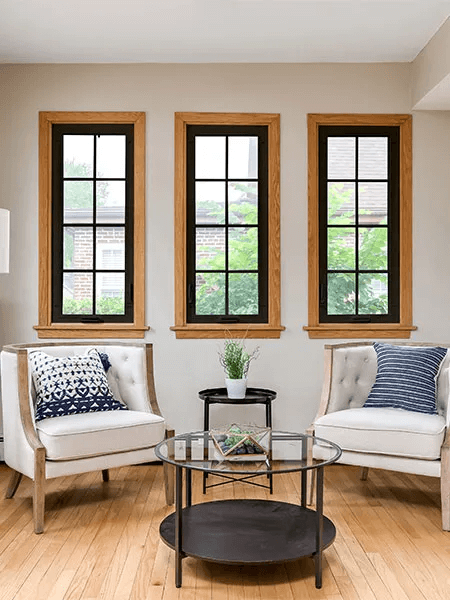
Even so, an excellent selection that’s growing in favor is aluminum-clad wood. It merges the cozy appearance and heat-retaining traits of wood on the interior with a sturdy aluminum layer on the exterior. The tilt and turn window with wood clad and aluminum is not merely a window, but a perfect interpretation of architectural design and practical innovation. Our aluminum-clad wood windows and doors combine the texture of natural solid wood with the high strength and weather resistance of aluminum to provide high quality, beautiful and energy-saving window and door solutions. Luxury materials such as solid timber or composite drive costs up further. However, they deliver improved energy conservation and more pleasing visuals.
How Does Window Size and Customization Impact Pricing?
Size plays a big role in determining tilt and turn windows price. Larger windows demand additional resources. Moreover, they call for robust frames to bear their mass and sustain proper function. Uncommon forms, such as arches or circular ones, generally lead to greater expenses. The cause is the added difficulty in production.
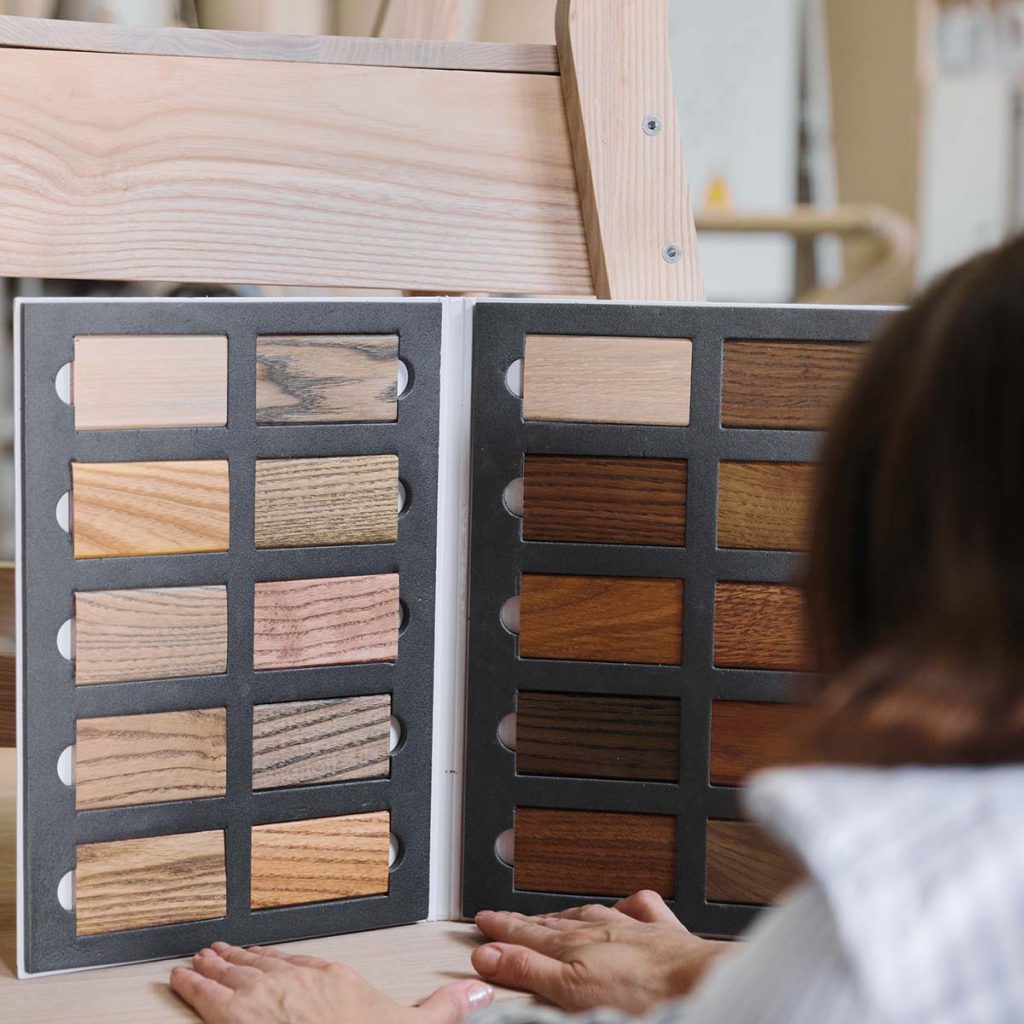
Customization can also affect the price. Choosing special coatings, ornate dividers, or integrated blinds can alter the end amount considerably. You can choose different colors for aluminum. Please note that there may be slight color deviations, and the actual products shall prevail. At WANJIA windows, we offer numerous personalization choices. Thus, customers can align their windows exactly with the structure’s design and their personal preferences.
Are Glazing Options a Major Contributor to Price Differences?
Absolutely, glazing influences tilt and turn windows price substantially. Standard double glazing suits many residences adequately. However, moving to triple glazing boosts thermal retention and reduces sound. For example, choosing glass types such as Low-E coating, gas-filled insulation (argon or krypton), and strengthened or annealed glass enhance protection or hush levels. The 33mm wide glass recess can also be equipped with hollow aluminum clad wood lattice, built-in grille, and triple glass. These high-end features enhance comfort and reduce energy consumption.
Installation Costs and Regional Pricing Variations
Why Do Installation Charges Differ by Location?
Installation costs can vary widely depending on the area. Urban zones typically feature higher labor wages than rural areas. Furthermore, site access can prove challenging. For instance, high-rises or crowded districts may require extended hours and specialized gear for the crew.
Regional construction codes might demand further approvals or protective actions. Such elements contribute to the overall outgoings.
How Do Professional Services Influence Total Window Costs?
Hiring skilled fitters could increase the upfront fee. Yet, it yields greater benefits down the line. Certified installers may charge more but ensure warranty compliance. Poor fitting can damage the barrier. Consequently, it results in drafts, moisture entry, or uneven structures. These issues diminish overall effectiveness.
Additionally, jobs such as removing existing windows or altering the framework for newcomers often carry separate fees.
Design Preferences and Functional Add-ons That Affect Pricing
What Aesthetic Features Can Increase the Price of Tilt and Turn Windows?
Design details can really set windows apart. However, they inflate the invoice too. Unique varnishes for hues, finished exteriors, or timber-mimicking designs involve extra effort in fabrication. Bicolor frames with different colors inside and out are considered superior custom designs. Coordinating fittings to complement interior styling via overseas or superior elements likewise elevates expenses.
Do Ventilation Enhancements or Security Features Add Cost?
Definitely. Features like multi-point locking systems, furnish superior defense. However, they elevate fabrication expenses. Multi-point locking systems improve security but raise production costs. Likewise, incorporated airflow panels or minor vents promote better indoor airflow. They maintain protection levels. Still, they incur supplementary payments.
Additions like child-proof limits or durable fasteners prove wise for family dwellings. Nonetheless, they elevate the pricing levels.
Energy Efficiency Ratings and Their Role in Pricing Structure
How Do Energy Performance Certifications Affect Window Prices?
Windows with energy performance labels use superior engineering and components, thus costing more. Metrics including U-value (thermal transmission), SHGC (solar heat gain coefficient), and draft infiltration indicate a window’s prowess in managing internal climate.
The heat transfer coefficient meets the energy-saving standards and can effectively reduce air conditioning and heating energy consumption. Items like ours at WANJIA windows utilize these concepts to deliver enduring thermal regulation.
Is Investing in High-Efficiency Windows Worth the Price Premium?
High-efficiency windows demand a larger initial investment, but they yield reductions in utility costs for warmth and chill over the years. Moreover, they improve living areas via consistent warmth and diminished noise. Numerous residents view these advantages as justifying the added expenditure.
Understanding WANJIA windows Aluminum-Clad Wood Tilt and Turn Windows Offering
What Makes WANJIA windows Aluminum-Clad Wood Windows Unique in the Market?
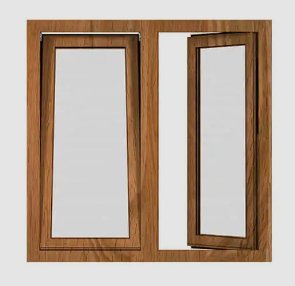
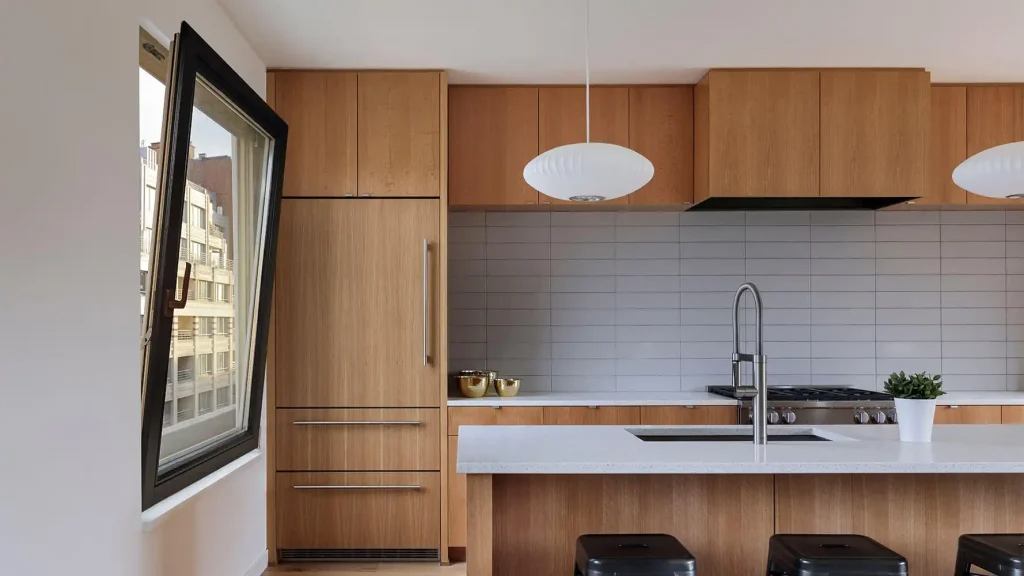
The tilt and turn window with wood-clad and aluminum is not merely a window, but a perfect interpretation of architectural design and practical innovation. Our aluminum-clad wood tilt and turn windows blend space-saving style with great insulation. It’s perfect for spaces with limited clearance, such as balconies, narrow walkways, or crowded gardens. The window cannot be easily opened from the outside, preventing unauthorized access. This allows homeowners to clean both the exterior and interior of the window safely and conveniently.
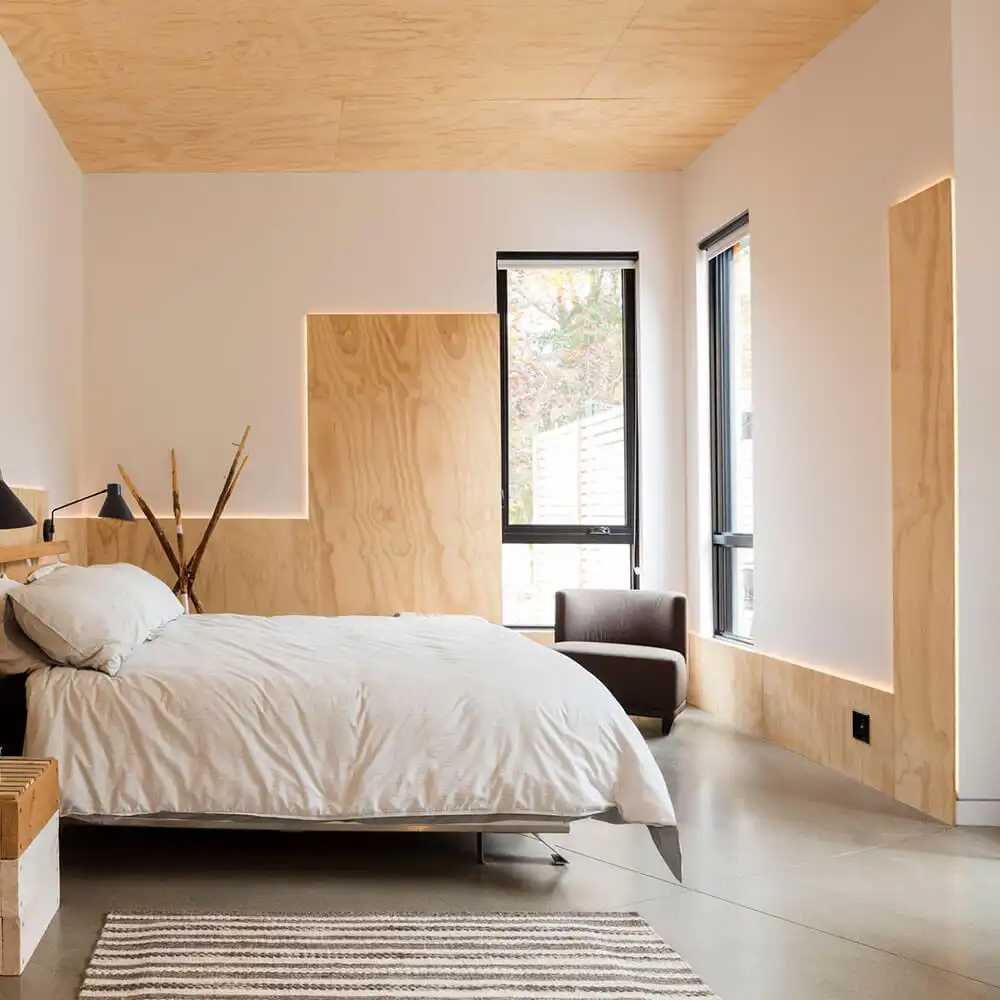
Our product uses 6063-T5 aluminum profiles with a thickness of about 1.8mm, ensuring structural integrity over time. Paired with high-quality wooden veneers such as American Oak or Cherry Wood, they are both functional and visually stunning.
Why Should Homeowners Consider WANJIA windows for Their Window Investment?
We provide a full range of customized services. Customers can choose materials, colors, glass types and smart accessories according to the architectural style, personal preferences and functional requirements to ensure that each window and door is perfectly matched with your project. Plus, our eco-friendly materials fit today’s green goals.
We aim to combine good looks with energy rules through choices like triple glazing, Low-E coatings, and multi-point locking systems. All are made for lasting ease and strength.
FAQ
Q: What is the average price range for tilt and turn windows?
A: Tilt and turn windows prices typically depend on size, material, glazing type, hardware quality, and installation complexity.
Q: Are tilt and turn windows more expensive than traditional casement windows?
A: Yes, tilt and turn windows generally cost more due to their dual-function hardware mechanisms, enhanced sealing systems, and often superior energy efficiency ratings.
Q: Can I reduce the cost of tilt and turn windows without compromising quality?
A: Yes, choosing standard sizes over custom dimensions, opting for double glazing instead of triple, or selecting aluminum-clad wood over full timber can help balance quality with affordability.