The style and purpose of sliding window setups have changed a lot in the last ten years. They used to be valued just for sliding open and shut sideways. Now, they play a key role in planning for homes and business spaces. Their simple lines, flexibility, and ability to add new tech make them vital for today’s structures.
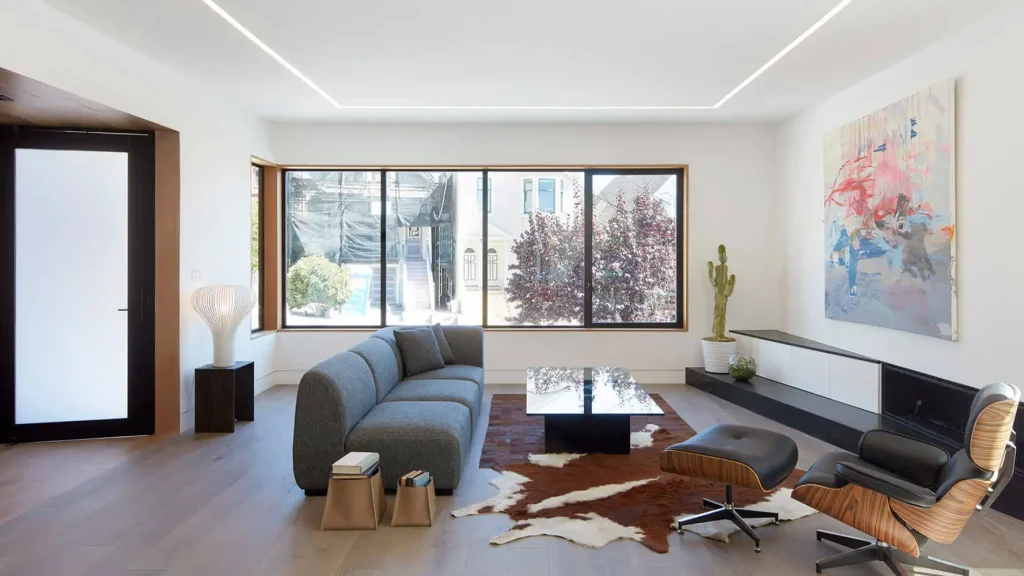
This change comes from growing needs for good looks, better energy savings, and smart use of room. Builders and planners no longer want windows that simply fill a gap. They seek options that match current building styles, provide strong heat control, and make the most of available area.
As 2026 gets closer, sliding window setups are turning into useful parts of design. This piece looks at main trends shaping sliding windows’ future. It covers slim frames to tech add-ons. These trends show bigger changes in building and design fields.
Minimalist Frames and Slim Profiles
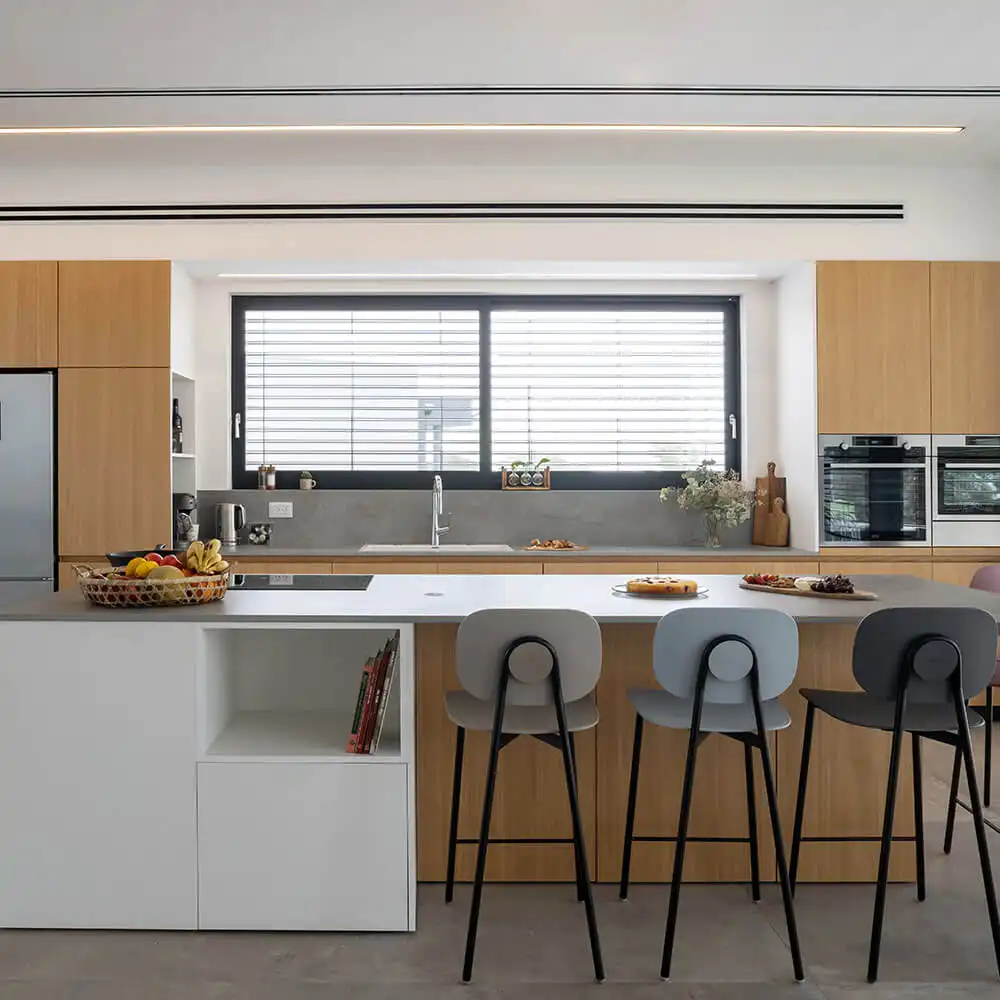
A clear trend in sliding window style is the move to simple looks. Designers favor thinner aluminum frames. These create a smooth link between inside and outside areas.
Narrow frames boost the glass space and clear sightlines. This has turned into a main goal in planning. Such neat frames cut down on visual mess. They let in bigger glass sheets. This improves daylight and outside sights.
The Urban Chic Aluminum Clad Wood Sliding Window from Hiseng shows this trend well. Its style mixes city metal looks with wood’s cozy feel. It gives a classy visual for houses, workplaces, and mixed buildings.
Large Sliding Window Systems for Indoor–Outdoor Connection
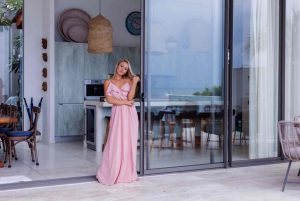
By 2026, big sliding window setups will keep rising in use. These setups with many panels are built to fade the line between inside rooms and outside. They bring a feeling of wide space that marks high-end building styles.
The adaptable style makes operation simple and quick to switch. This matters in places like villas, tall apartments with decks, seaside homes, hotels, and business lounges. These spots gain from clear views and better air flow.
Items like Hiseng’s aluminum-clad wood sliding windows help here. The big glass space not only boosts natural light. It also makes living areas more cozy and welcoming. This fits well with nature-focused design ideas.
Energy-Efficient Sliding Windows Take Priority
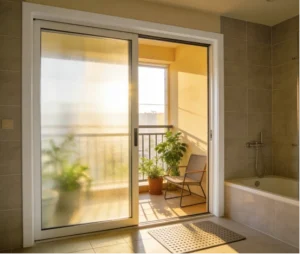
As world rules get stricter on energy use in buildings, energy-saving sliding windows are a must. Building shells now need top insulation. Yet, they can’t lose style or use.
New setups often use double or triple glass layers. They add Low-E coatings and heat-breaking aluminum edges. Hiseng windows resist wind and water well. The casement style gives great air flow. Plus, Hiseng casement windows cut heat loss sharply. This leads to lower costs for heating and cooling.
Balancing big glass with insulation is key. It keeps comfort all year. It also meets green building rules.
Dark Colors and Contemporary Finishes
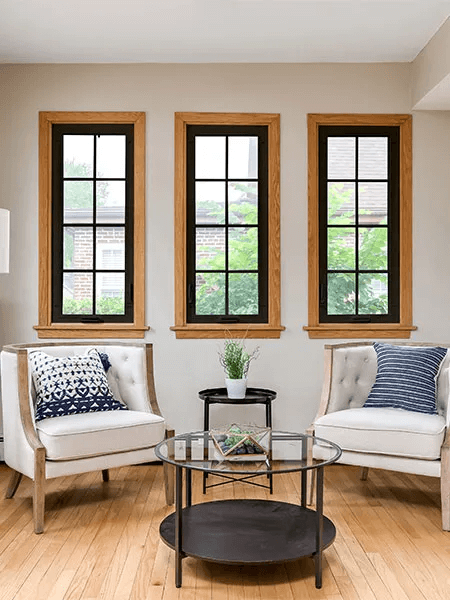
Color choices in window style are moving from old whites to strong dark shades. Black, anthracite, and deep gray are top picks. They match modern building types, like factory lofts or simple villas.
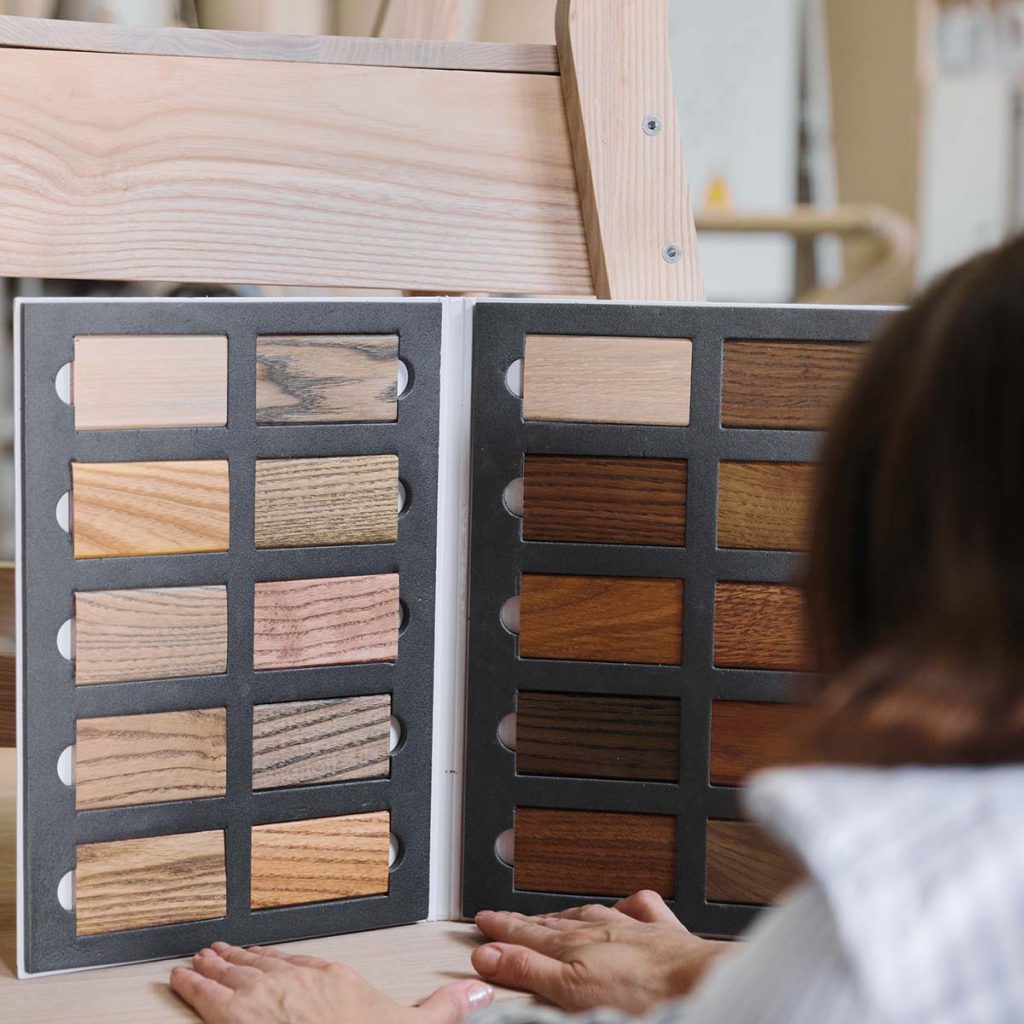
Hiseng’s aluminum-clad wood windows fit this shift. They allow custom aluminum frame colors. You can pick various shades for aluminum. Options include matte or rough textures for a high-end feel.
These dark tones add solid looks. They also heighten contrast with light inside colors. This strengthens a fresh design story.
Smart Sliding Windows and Integrated Technology
Tech is changing how people use their spaces. Sliding windows are part of that. Smart setups are now added to window plans. They boost ease, security, and air control.
Electric sliding parts make moving easy. This suits big panels or spots hard to reach. Sensors can check inside air quality. They also spot break-in tries. Aluminum entrance doors can have fingerprint locks, password locks, face recognition, and remote APP control. This sets an example for adding smarts to other window products like sliding windows.
These steps meet needs for easy access in homes. They also handle auto tasks in smart business buildings.
Customization for Residential and Commercial Projects
Each job is different. So its window setups should be too. In 2026, people will keep asking for wide changes in sizes, tracks, parts, and open ways.
We offer full custom services. Buyers can select right materials, colors, glass kinds, and smart add-ons. They base choices on building style, tastes, and needs.
Be it updating an old villa or fitting a tall business front, brands like Hiseng give bendy choices. We back creative plans. At the same time, they keep strong performance.
Performance-Driven Design: Comfort, Safety, and Durability
Besides looks and energy savings, new sliding windows must do well in key ways. This means tight air seals to stop drafts and water entry. It’s vital in tall or beach areas.
Hiseng checks markets often. We learn exact needs for windows in varied places and weather. Their new ideas include bump-stop parts. These stop direct hits between window parts and frames. They also add strong safety to guard homes from break-ins.
Sound control is key too, mainly in cities. Insulated glass units (IGUs) with good seals cut outside noise a lot.
Sustainable Materials and Responsible Manufacturing
Green practices are now required, not extra. Window makers use earth-friendly items like reusable aluminum. They pair it with wood from careful sources.
Built from reusable stuff, and wood from green supplies, Hiseng’s aluminum-clad wood items match eco-building aims. The firm has modern CNC centers, smart spray tools, and auto lines for putting together. This ensures each item hits world standards. It cuts waste in making.
Green sourcing affects not just rule-following. It also shapes long-term checks on material life for green badges like LEED or BREEAM.
As we head to 2026, sliding window setups will be more than gaps. They turn into active building parts that boost ease, savings, looks, and links. Trends like thin frames, big opens, dark shades, smart auto, and green items show wider shifts in design thinking.
We promise top-quality, smart, and custom door and window fixes for folks worldwide. For builders wanting to lead in style and work, picking strong, well-planned sliding window setups will help. It delivers value-focused buildings that fit future rules now.
FAQ
Q: What is a sliding window and why is it popular in modern buildings?
A: A sliding window is a window system that opens horizontally along a track. It is popular in modern residential and commercial buildings because it saves space, allows larger glass areas, and fits well with minimalist architectural designs.
Q: Are sliding windows suitable for both residential and commercial projects?
A: Yes. Sliding windows are widely used in homes, apartments, offices, hotels, and commercial buildings due to their flexibility in size, design, and performance, especially for large openings and high-traffic areas.
Q: How do energy-efficient sliding windows improve building performance?
A: Energy-efficient sliding windows use insulated glazing, Low-E glass, and thermally broken frames to reduce heat transfer, improve indoor comfort, and lower heating and cooling costs while maintaining large glass surfaces.
Q: Can sliding windows be customized for specific architectural requirements?
A: Absolutely. Modern sliding window systems can be customized in frame materials, colors, glazing options, track configurations, and smart features to meet the functional and aesthetic needs of different residential and commercial projects.