What Makes Tilt and Turn Windows So Unique?
How Do Tilt and Turn Windows Work?
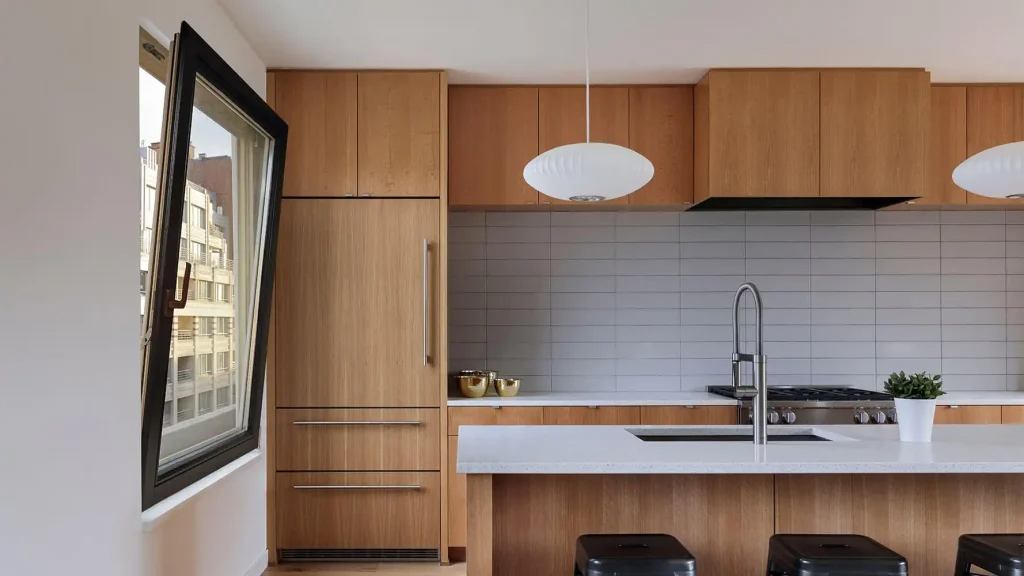
Tilt and turn windows feature a smart design that lets them function in two clear ways. You can first tilt the upper part inward for soft breezes. Or, you can fully swing the window inward, much like a door, to get a broad, complete opening. This double purpose is what renders them so flexible.
One handle manages both actions. This keeps things straightforward and user-friendly. The tilt option suits drizzly or gusty weather. Meanwhile, the turn feature delivers peak ventilation or simple reach for upkeep.
Why Are They Called “Two-Way” Windows?
People often call them “two-way” windows due to this paired motion. The tilt setting invites cool air inside. At the same time, it holds a safe space that’s kind to children. The complete turn choice turns the window into a broad passage, almost like a doorway.
This paired capability makes them quite flexible for various situations and weather patterns.
As a result, tilt and turn windows prove much more practical than usual casement or sliding types.
How Do Tilt and Turn Windows Improve Home Ventilation?
Can These Windows Really Help with Airflow?
Yes, without a doubt. A key advantage is better control over air movement. The tilt action lets fresh breezes flow in. Yet, it blocks rain from getting inside. This suits them well for rainy periods.
During chillier seasons, a small tilt releases warm air from above. It pulls in fresher air from below. In warmer times, opening it wide builds a solid cross-current of air.
Plus, you can tweak the angle of the opening to fit your needs. Few ordinary windows allow that kind of adjustment.
Do Tilt and Turn Windows Work in All Climates?
Indeed, they adapt well. No matter if it’s freezing winters or scorching summers, these windows keep your home cozy.
The outer aluminum layer resists rust well. So, aluminum-clad wood windows and doors fit diverse weather spots, like damp, chilly, sweltering, or blustery ones. Strong seals block heat shifts. They hold coolness inside during heat waves and warmth in the cold.
In moist areas, improved air flow cuts down on dampness. This lowers the risk of mold forming.
Are Tilt and Turn Windows Safe for Families?
How Do They Help with Child Safety?
Safety for kids stands out as a major benefit with tilt and turn windows. When tilted, the gap stays too narrow for children to squeeze through. This works great for rooms on higher levels or houses with young explorers.
You might add handles that lock to stop unwanted openings. Stronger frames and several locking spots boost protection further.
What About Security Against Intruders?
Compared to standard windows, tilt and turn versions resist outside meddling better.
Several lock points and a sturdy tilt setup make it hard for outsiders to break in. Their multi-point locking system offers solid defense from burglars. Paired with frames that fight twisting and forced entry, these windows form a strong shield against invasions.
They stay safe even when tilted for air. This brings calm assurance with ventilation.
How Well Do Tilt and Turn Windows Handle Weather Conditions?
Are They Truly Weatherproof?
Absolutely! owing to snug seals and fine glasswork.
Firm seals near the frame stop drafts and moisture slips. Choices like double or triple glazing boost warmth against harsh cold or heat. The tilt setting circulates fresh air, but it keeps rain out.
Thus, they fit every season. They ensure ease indoors, no matter the outdoor turmoil.
Can They Withstand Harsh Winters or Heavy Rainfall?
Certainly. Options with efficient glass, such as Low-E or triple-pane, sharply reduce warmth escape.
Smart glazing cuts heat loss in frosty times. Built-in drains in the frame steer water away smoothly. Tough materials hold up against bending or bloating from climate shifts.
Wherever your home is—a town flat or seaside retreat—these windows endure.
What Materials Are Commonly Used in These Windows?
Is There a Difference Between uPVC, Wood, and Aluminum Clad Wood Frames?
uPVC Frames:
uPVC needs little care and saves money, but it might lack the upscale style of wood or aluminum-clad wood.
Wood Frames:
They insulate superbly and give a warm, real look. However, they need steady care to fend off wet damage or bugs.
Aluminum Clad Wood Frames:
Aluminum-clad wood windows blend the feel of true solid wood with aluminum’s robust power and weather toughness. They deliver top-quality, attractive, and power-saving window answers. The inner part uses solid wood. The outer uses top-notch insulated aluminum. This keeps the windows and doors steady and long-lasting in tough weather.
They mix the best of both—cozy feel inside and sleek guard outside.
Why Choose Hiseng’s Aluminum Clad Wood Tilt and Turn Window?
What Sets Hiseng’s Product Apart from Others?
At Hiseng, we refine the aluminum-clad wood tilt and turn window. We merge style with strong results.
The tilt and turn window with wood clad and aluminum goes beyond a simple window. It embodies smart building ideas and useful advances. Inner warmth barriers help trim power costs all year. We partner with Germany ROTO, SIEGENIA, and CMECH for the handles.
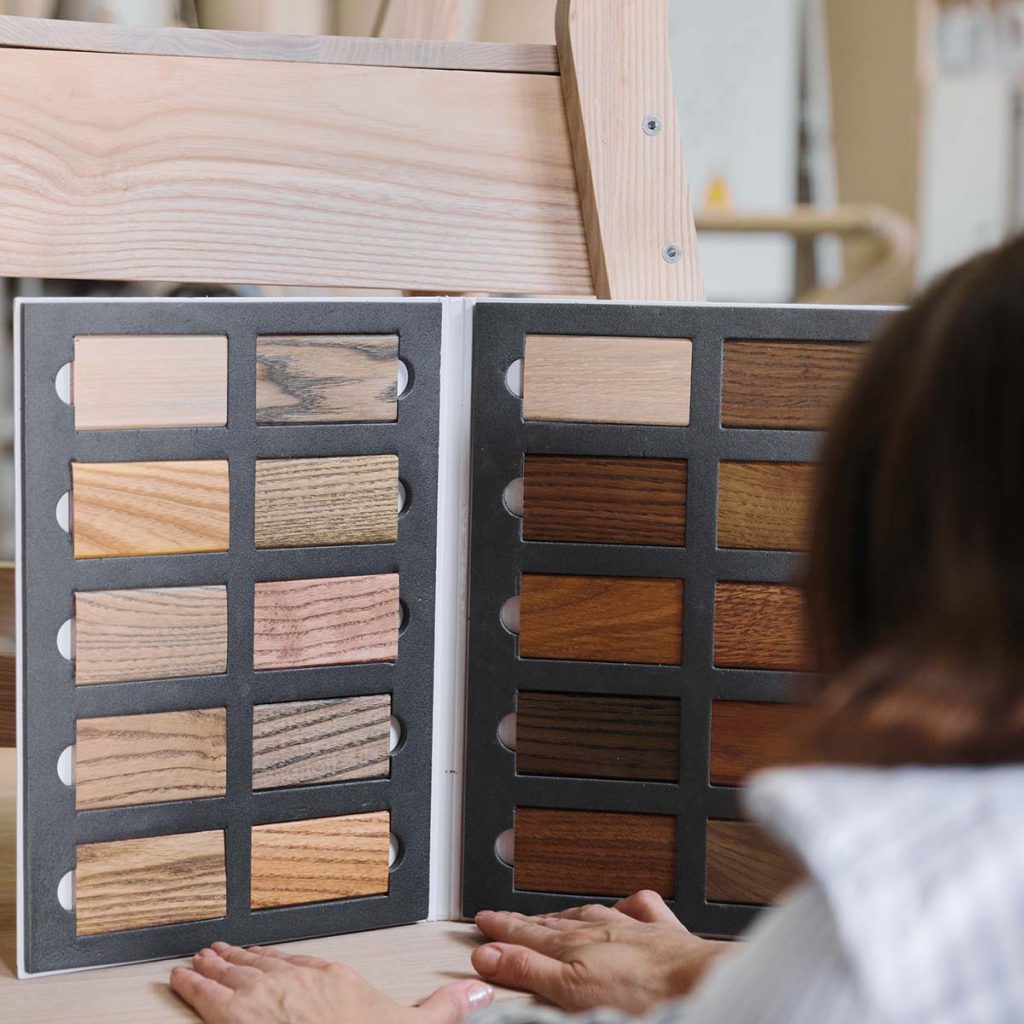
Our windows include gliding hardware made for regular handling. The shapes employ 6063-T5 aluminum over fine woods like American oak or Burmese teak. Glass choices cover triple-pane for better power savings.
Where Can You Use Hiseng Tilt and Turn Window in Your Home?
Living Rooms & Bedrooms:
Get wide openings on bright days. Or tilt for secure evening breezes.
Kitchens & Bathrooms:
Vent humid spots simply. Without losing safety or seclusion.
Upper Floors:
The secure tilt choice fits tall buildings. Full swings there could bring dangers.
FAQ
Q: Are tilt and turn windows more expensive than regular windows?
A: Yes, they usually run higher in initial cost. This stems from their clever hardware and paired design. Still, they bring superior power savings, protection, and flexibility. These can cut costs in the long run.
Q: Can I clean tilt and turn windows easily from inside my home?
A: Absolutely! When swung open fully like a door, you reach both glass sides from indoors. This suits setups on upper levels.
Q: Do tilt and turn windows require special maintenance?
A: Not much—just routine track cleaning, now-and-then hinge oiling, and seal checks. All this ensures smooth work over time.