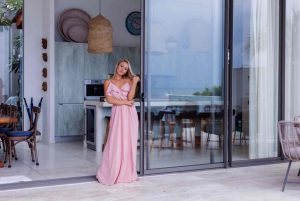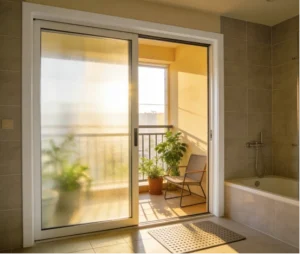
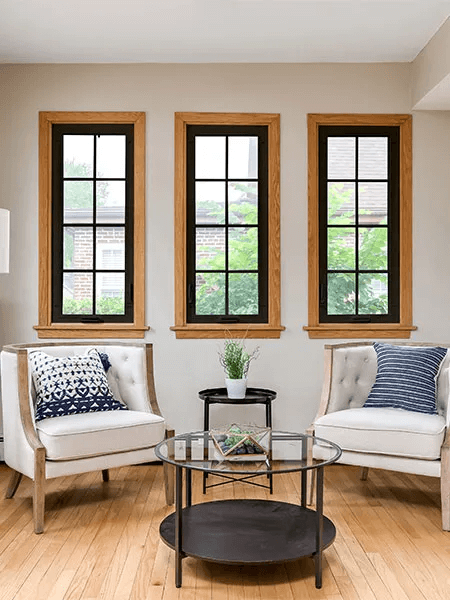
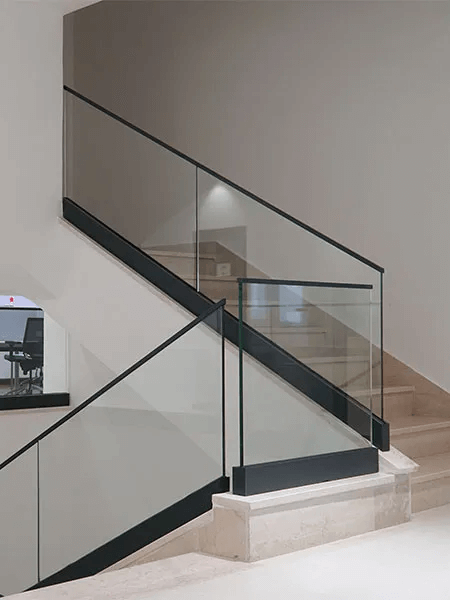
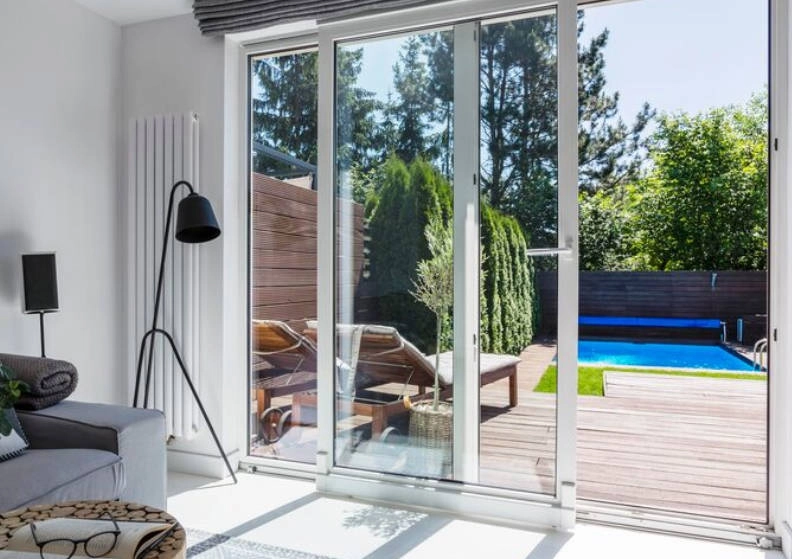
In 2026, sliding door systems stand out as one of the most effective ways to make the most of limited space in small homes and mixed-use buildings. With apartments getting smaller, space regulations become stricter. People want more flexible living setups. Because of this, more developers, architects, and builders choose sliding doors. They help improve layouts without making buildings bigger.
Traditional swing doors need room to open. Sliding doors do not. They free up that area. This lets you place furniture, appliances, and storage right next to the doorway.
Today’s sliding door options — especially those with aluminum on the outside and wood inside, plus glass — fit well with needs for better energy savings, sound blocking, strength, and modern style. They work great in tight spaces.
This article lists 10 reliable sliding door ideas made for compact projects in 2026. It covers real-world uses, tech specs, and ways to customize them for pro work.
Solution 1: Sliding Pantry Doors for Better Kitchen Flow
In small kitchens, sliding pantry doors make movement and work much easier. They remove the need for door swing space. This helps designers fit appliances and storage better.
Popular choices include aluminum-clad wood sliding doors or setups with glass or aluminum panels.
Benefits for projects: smoother kitchen use, smarter use of floor area, and a higher-quality look overall.
Solution 2: Pair Sliding Doors with Smart Pantry Storage
Sliding doors work even better when paired with organized inside storage.
Design tips: Use adjustable shallow shelves. Add frosted or mirrored glass panels on the sliding doors. These hide the storage but make the room feel bigger.
Aluminum-clad wood sliding doors offer steady temperature control. They help keep pantry conditions stable and boost the building’s energy savings.
Solution 3: Custom Sliding Doors for Built-In Pantries
You can turn wall recesses or old closets into useful pantry areas. Use custom sliding doors with tall shelving.
Customization options: door sizes and how they open, frame materials and finishes, glass styles, and hardware.
This approach adds more storage without taking up extra building space. It fits perfectly in small home developments.
Solution 4: Shallow Storage with Sliding Glass Doors
Deep shelves often waste space. Shallow storage units closed by sliding glass doors give better views and quicker access.
Key features: hollow glass, LOW-E coatings, and multiple seals. Noise reduction of 35–45 dB along with strong protection against dust and sound.
Solution 5: Barn-Style Sliding Doors as Smart Space Savers
Modern barn-style sliding doors mix usefulness with style. They run along the wall, making them ideal for narrow or cramped rooms.
Choices include tempered glass, aluminum-clad wood panels. Configurations like sliding, swing, folding, or French-style.
These fit many interior looks and project needs.
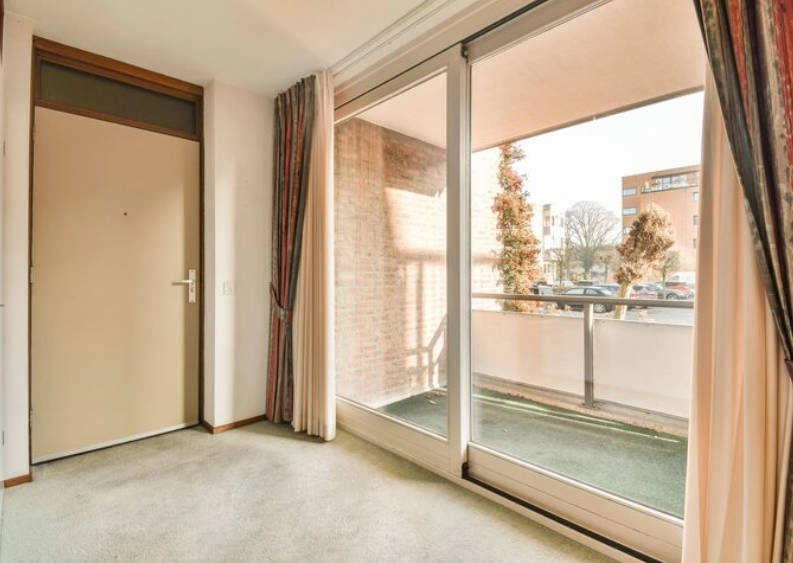
Solution 6: Hidden Storage Behind Glass Sliding Panels
Tall sliding glass doors work well to hide laundry areas, utility spots, or open shelves.
Design perks include frameless or slim-frame options, frosted or mirrored glass. Better light bounce and a more open feel.
Solution 7: Sliding Room Dividers for Adaptable Layouts
Builders now use sliding doors as movable walls in open floor plans.
Typical uses: separating home offices, kids’ play zones, or dining from living areas.
These dividers let you change the space quickly. No need for fixed walls.
Solution 8: Sliding Closet Doors for Tight Hallways
In narrow corridors, sliding closet doors are safer and save room compared to swing doors.
Specs include strong aluminum frames, imported solid wood cores, German hardware, and LOW-E glass with top sealing.
All meet tough standards for water resistance, air tightness, and wind pressure.
Solution 9: Sliding Doors for Basements and Extra Storage
Custom sliding doors are well-suited for storage in basement or walk-in closets.
Main benefits: resistance to moisture, easy reach and better storage use, over 20 years of life with little upkeep.
Solution 10: Fully Custom Sliding Doors for Tight Spaces
Customization is key to getting the most from small areas in various projects.
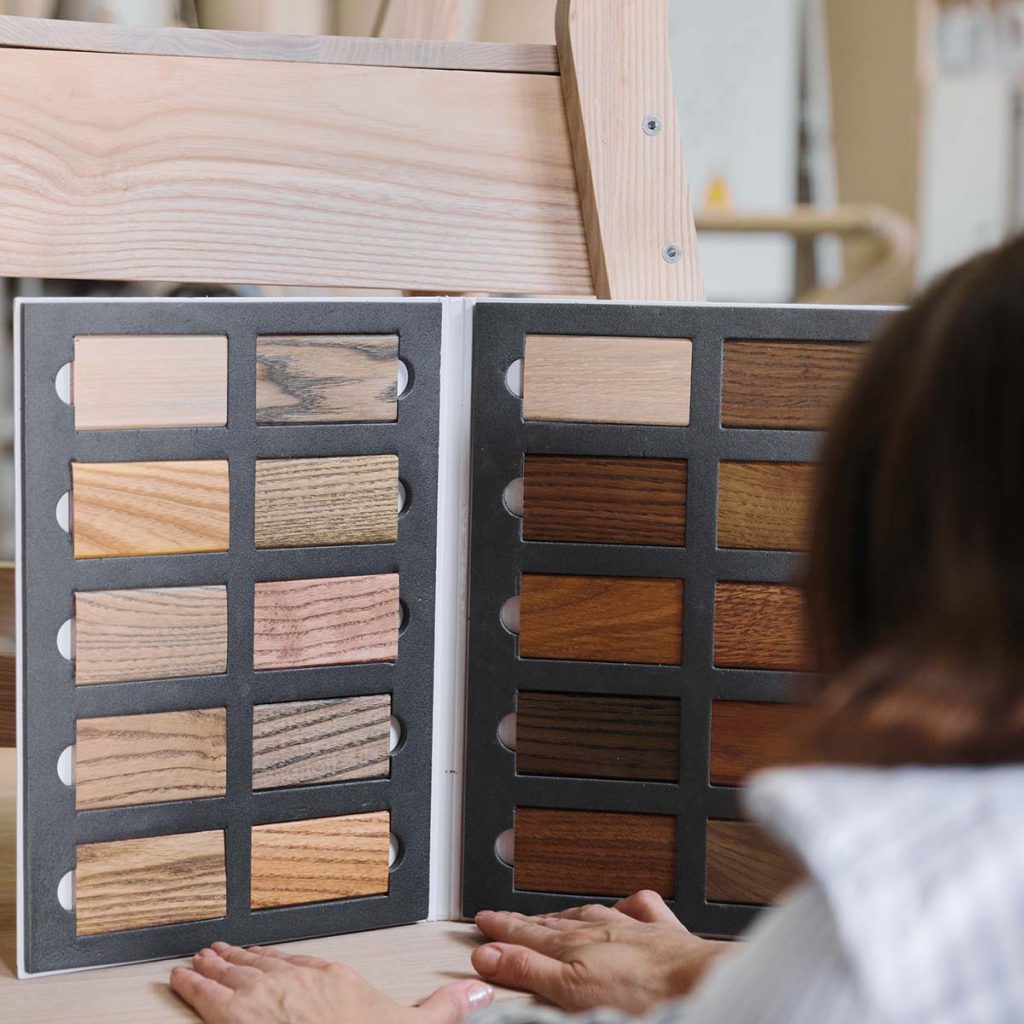
Options include door sizes and opening types, wood types and aluminum colors, glass choices like clear, frosted, mirrored, or LOW-E. Also, you can choose from various hardware options and smart add-ons.
Aluminum-clad wood build provides great insulation. It cuts heat loss and raises energy savings.
Why Pick Hiseng Sliding Door Systems
Sliding doors improve traffic flow, spread light better, and fit modern building styles. They do this without cutting performance.
Hiseng strengths: focus on aluminum-clad wood sliding doors and windows. Strong research, development, and production. Full sliding door customization for home and business projects. Experience in global wholesale and export. Complete service from design help to shipping.
We aim to provide tough, high-performing, project-ready sliding door options for markets worldwide.
Partner with Hiseng
Want to add pro sliding door options to your builds?
Hiseng leads in making aluminum-clad wood doors and windows. We offer OEM/ODM, bulk orders, and worldwide shipping support. Our team helps from tech advice to production and delivery.
The factory is located in Foshan city. Looking for sliding doors for catalogs, tech details, or custom quotes.
FAQ
Q: Why suggest sliding doors for compact projects?
A: Sliding doors remove swing space. This allows better layouts and Maximizing usable floor area in tight spaces.
Q: What are the benefits of aluminum-clad wood sliding doors?
A: They blend wood’s warmth and insulation with aluminum’s strength and weather protection. This gives long life and easy care.
Q: Do sliding doors meet energy and sound standards?
A: Yes. LOW-E glass and multi-seal designs cut heat loss a lot. They can block noise by up to 35–45 dB.
Q: Can you customize sliding door systems for different markets and rules?
A: Yes. We can adjust sizes, materials, finishes, glass, and features to match local standards and project needs.