Why Choose a Sliding Door for Your Bathroom?
What Makes Sliding Doors a Great Fit for Bathrooms?
When you want to maximize space in small bathrooms, sliding doors stand out as a top choice. Hinged doors swing open and need room to move, but bathroom sliding doors slide along the wall or into a pocket. This makes them perfect for tight spaces. They give neat lines and a smooth, up-to-date look. This style fits well with simple and modern room designs.
Sliding doors tend to be simpler to use and care for. They have fewer hinges. They also skip the need for door stops, cutting down on parts that can break. At the same time, they boost ease for users. Their smooth-gliding mechanism is particularly beneficial in bathrooms frequented by families or larger groups.
Are Sliding Doors as Private as Traditional Doors?
Absolutely! But you need to pick the best materials and add-ons. Frosted or rough glass choices give sight privacy. They do this without stopping natural light. So, the area feels wide open but still private. If you want total seclusion, go for solid wood or metal sliding doors. These block views and noise fully. You can boost privacy more with tight seals and strong hardware. These close gaps and cut down on sound leaks.
Exploring Glass Bathroom Sliding Doors
What Are the Pros and Cons of Glass Sliding Doors?
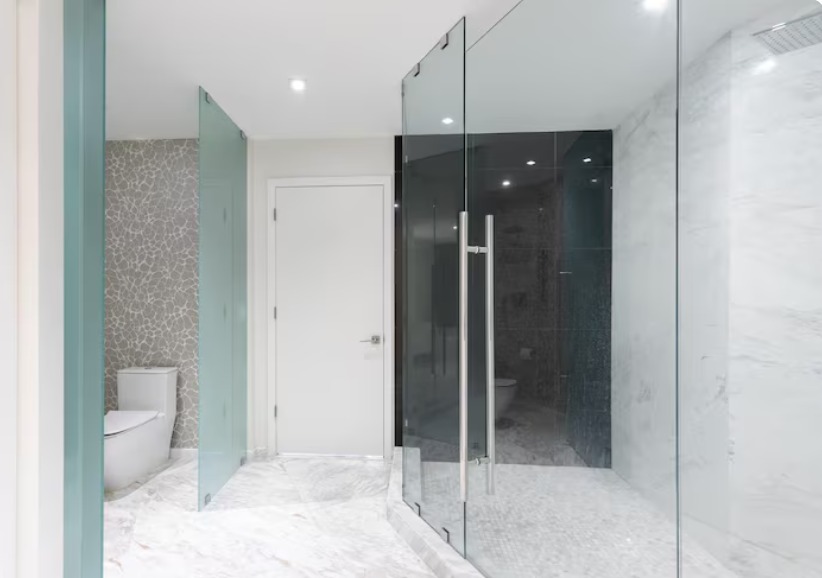
Glass bathroom sliding doors are popular for their light and breezy style. They spread light around the room well. Their flat surfaces wipe clean with little effort. When made tough, they hold up better than you might think. However, clear glass can raise issues in spots needing privacy, and even tough glass breaks easier than wood or metal, though it stays strong overall.
Types of Glass Used in Bathroom Sliding Doors
Clear Glass
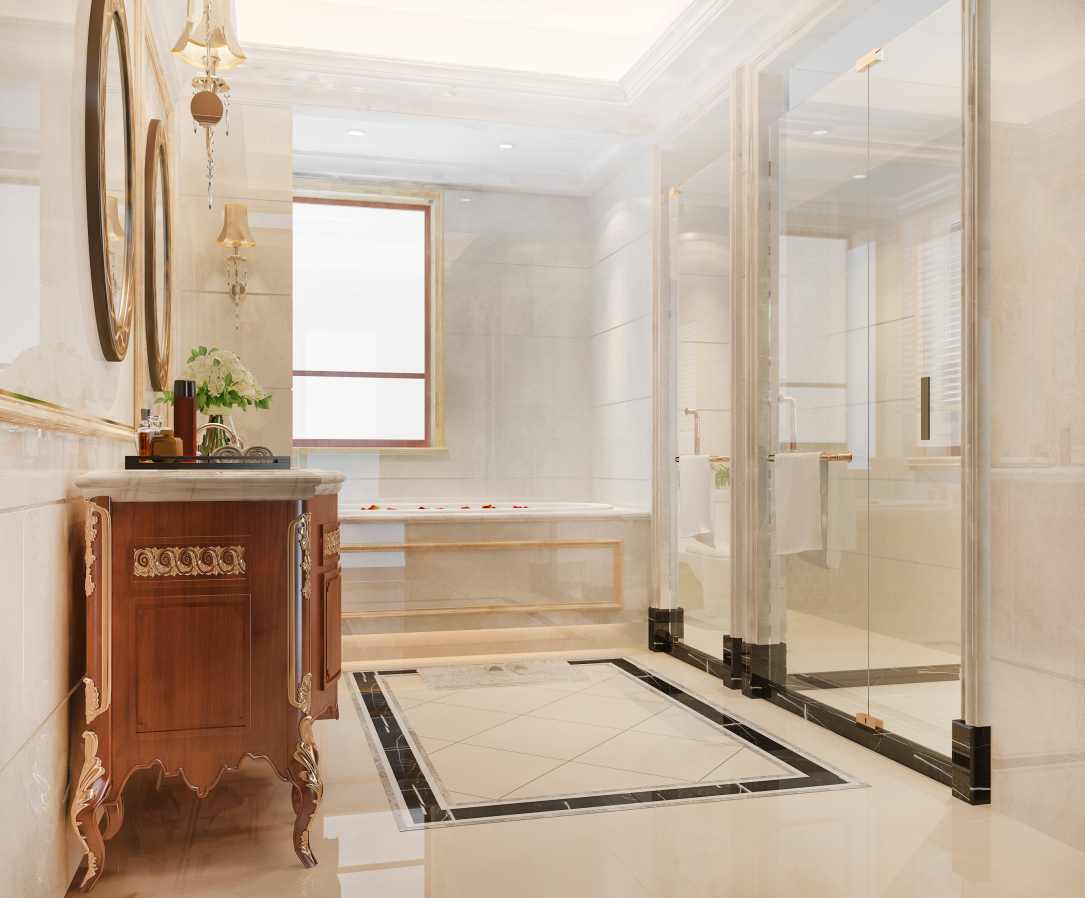
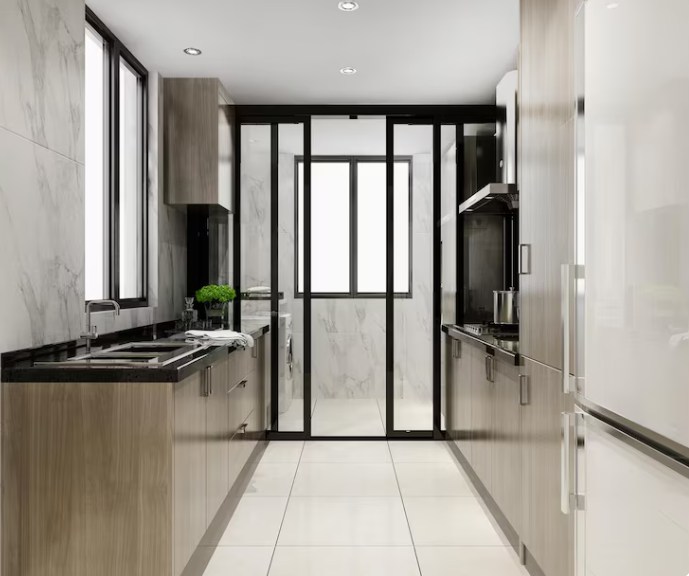
The clear glass creates a wide and airy vibe. It makes small bathrooms look bigger. Still, use it where hiding views matters less. For example, it works great to divide a main bath from a closet area.
Frosted or Etched Glass
Their styles strike a good balance between light and seclusion. They soften shapes while letting sun shine in. This brings a gentle light that lifts the room’s mood.
Textured or Patterned Glass
The textured glass adds both use and charm. Designs like rain, waves, or shapes bring personality. They hide views at the same time. This makes them a fine option for home bathrooms. There, looks and privacy both count.
The Strength and Style of Metal Sliding Doors
Is Metal a Good Choice for Bathroom Environments?
Absolutely! Metal sliding doors last a long time. They stand up to dampness and daily use. These traits matter a lot in bathrooms. Special coatings stop rust, allowing metal works well even in steamy spots. Their sharp, factory-like charm matches current decor trends.
Common Metal Finishes for Bathroom Sliding Doors
Brushed Nickel or Stainless Steel
Both options look good and work well. They last, fight off rust, and clean up fast. Brushed nickel and stainless steel top the list for door frames and rails in bathrooms.
Powder-Coated Aluminum
The powder-coated aluminum gives a light weight with lots of choices.It’s available in numerous colors, allowing it fit your bathroom’s colors. Plus, it fights dampness and color loss very well.
The Warmth and Elegance of Solid Wood Sliding Doors
How Does Wood Perform in Humid Bathroom Settings?
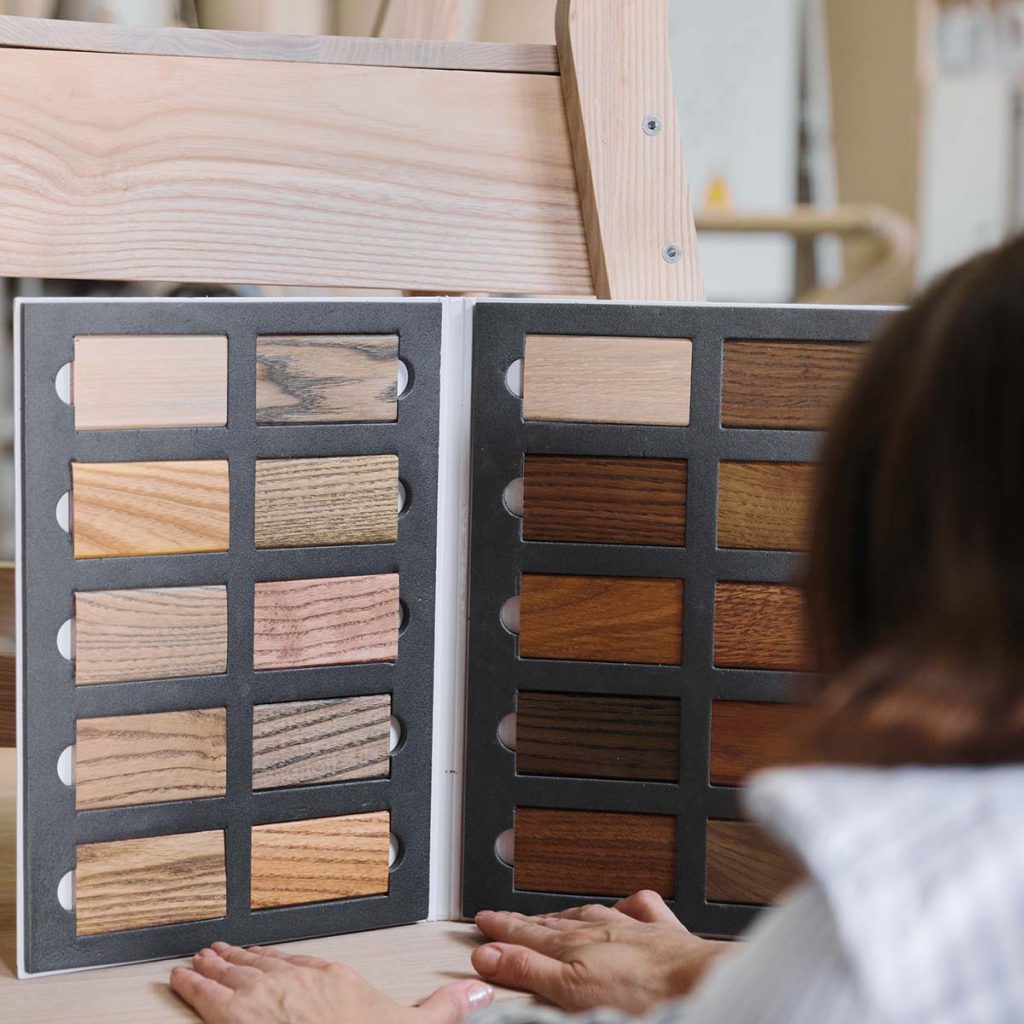
You can use wood in bathrooms, but it’s important to choose the right care methods. It needs a good seal to fight twisting or puffing from wet air. Once sealed right, solid wood doors add real comfort and feel. They bring a snug and upscale touch to the area.
Which Wood Types Work Well for Bathroom Use?
Teak or Cedar (Naturally Moisture Resistant)
The teak and cedar handle damp air on their own. This quality makes them smart picks for wooden bathroom sliding doors.
Engineered Wood Options with Veneer Finishes
The engineered wood is another solid choice. It stays steady in changing conditions if sealed well. These doors often have nice veneer layers. They look like real wood but hold up better.
Comparing the Materials: Which One Suits Your Style and Needs?
What Should You Consider When Choosing a Material?
Start by checking your space size. Light materials like glass open up cramped areas. Solid wood brings depth to bigger rooms. Next, weigh your need for privacy. Solid wood covers fully. Frosted glass mixes seclusion with light passage. Don’t forget upkeep. Metal needs little work. Glass wants regular cleaning. Wood calls for steady sealing.
How Do Costs Compare Between Materials?
General Pricing Trends by Material Type (may vary by design/brand)
Glass sliding doors usually sit in the middle price range. It depends on the style. Clear ones cost less. Etched or patterned types tend to be pricier.. Metal often beats solid wood in cost, but it shifts with finish level. Solid wood tops the price list. That’s due to skilled work and heavy build.
Spotlight on Aluminum-Clad Wood Sliding Doors by Hiseng
What Is an Aluminum-Clad Wood Door—and Why Consider It?
At Hiseng, we focus on aluminum-clad wood sliding doors. They mix the finest from two worlds. Solid wood insides offer natural coziness. Outside aluminum layers guard against damp and damage. This setup joins wood’s charm on the inside with tough aluminum outside.
This two-part build fits bathroom sliding doors in wet spots. You keep both good looks and strong function.
Why Choose Hiseng Aluminum-Clad Wood Sliding Door for Your Bathroom?
Our bathroom sliding doors glide smoothly. They feature a quiet system, making them perfect for homes with shared spaces. You can tailor finishes to fit your style perfectly.
We run a premium window and door maker. We have over 20 years in the field. We craft smart, custom items that endure tough weather.
Our aluminum-clad wood doors blend real wood’s feel with aluminum’s power and weather fight. They suit homeowners who care about looks and real-world use.
FAQ
Q: Can I install a bathroom sliding door myself?
A: Yes, many sliding doors come with DIY-friendly kits. Just ensure accurate measurements and proper wall support before starting.
Q: Are bathroom sliding doors waterproof?
A: While the doors themselves can be made from water-resistant materials like aluminum or treated wood, it’s important to also install seals or tracks that prevent water seepage.
Q: Do sliding doors lock for bathroom use?
A: Absolutely! Many models include integrated locks or can be fitted with aftermarket privacy locks suitable for bathrooms.