A lot of people get stuck when trying to pick windows for their home. It happens especially with casement and awning types. Both use a hand crank to open. They swing out from the house. They have a nice, clean look that goes with new builds or older houses. But your pick can really change how much air flows in, what the place looks like, and your energy bills. Figuring out the little differences helps you choose something that looks good and works well.
What Casement and Awning Windows Are Like
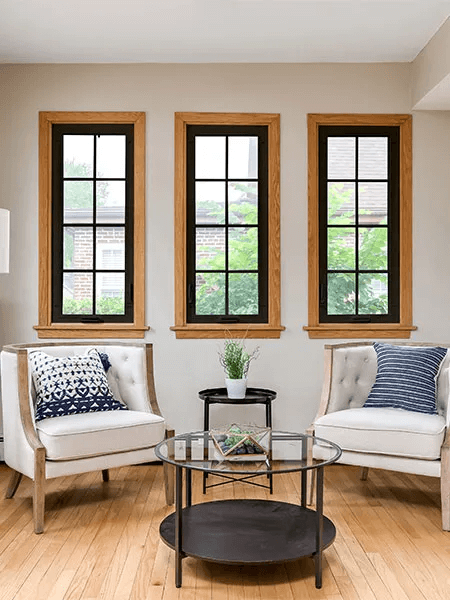
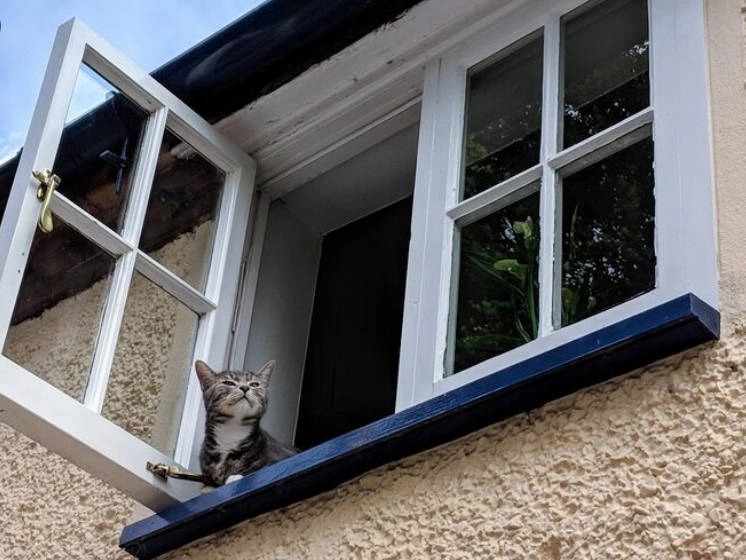
Casement windows have hinges along one side. You crank them and they swing out just like a door. That means the whole window opens up wide. You get tons of fresh air and a full view with nothing blocking it. These windows often mix aluminum on the outside with real wood inside. It gives a modern sharp edge plus that warm wood feeling.
Awning windows hinge along the top. You crank them and the bottom swings out. When they’re open, they make a little overhang. That keeps light rain out while still letting air inside. Awning windows mix practical use with a good appearance. Both kinds are handy in places you can’t easily reach, like over the kitchen sink or in a bathroom. The crank is simple to turn.
Which One Works Better for Your Place?
There’s no perfect answer for everybody. It really depends on how your house is built, how much breeze you want, what’s outside the window, and what style you prefer. Both casement and awning windows look fine in sleek modern homes or more traditional ones. Real wood adds that cozy natural touch either way.
Biggest Differences Between Them
The main thing is the hinge spot. Casements hinge on the side. Awnings hinge on top. That decides how they swing and where they fit best.
Casements are usually tall and narrow. They go great in upright spaces. Awnings are generally wide and short. They suit spots that run sideways or as extras above or below big fixed windows. The different shapes mean each has its own strong spots around the house.
Good and Bad About Casement Windows
Good points
- You get a completely clear view and loads of daylight.
- Best airflow around because the whole window opens out.
- Easy to wash both sides from inside the house.
- Very secure with locks at several points that pull everything tight. The aluminum-over-wood build is strong and keeps unwanted visitors out.
Bad points
- Need lots of clear room outside to open all the way.
- If not placed right, they can get in the way of paths or hit plants and yard features.
Good and Bad About Awning Windows
Good points
- You can leave them open in light rain and still get air.
- Simple shape looks sharp next to big fixed windows or small top lights.
- Perfect for high up on the wall or smaller openings.
- Clear views just like casements, no bars or splits in the glass.
Bad points
- Still need space outside to swing.
- Harder to clean the outside glass from indoors because of the top hinges.
When to Pick Each
Choose casements for tall narrow spots where you really want maximum breeze. They’re also ideal if cleaning from inside is important to you.
Awnings are better for wide openings or anywhere you want air even when it’s drizzling. They work nicely high up or grouped with fixed windows to make things look more interesting. They handle practical needs and style pretty evenly.
How They Stack Up on Energy and Airflow
Both do a solid job saving energy. They seal tight when cranked shut. Things like special glass, LOW-E coatings, and double strips keep noise down to 35–45 decibels.
Air moves through the full opening with no overlap. That gives great ventilation. Today’s versions usually have double or triple glass with argon inside to keep heat or cold where you want it. Low-E layers cut down on heat moving through and block harmful sun rays.
Both fit nicely into homes built to save energy. Wood insulates on its own. The aluminum outside protects from weather. Together they keep temperatures steady and cut your heating or cooling costs.
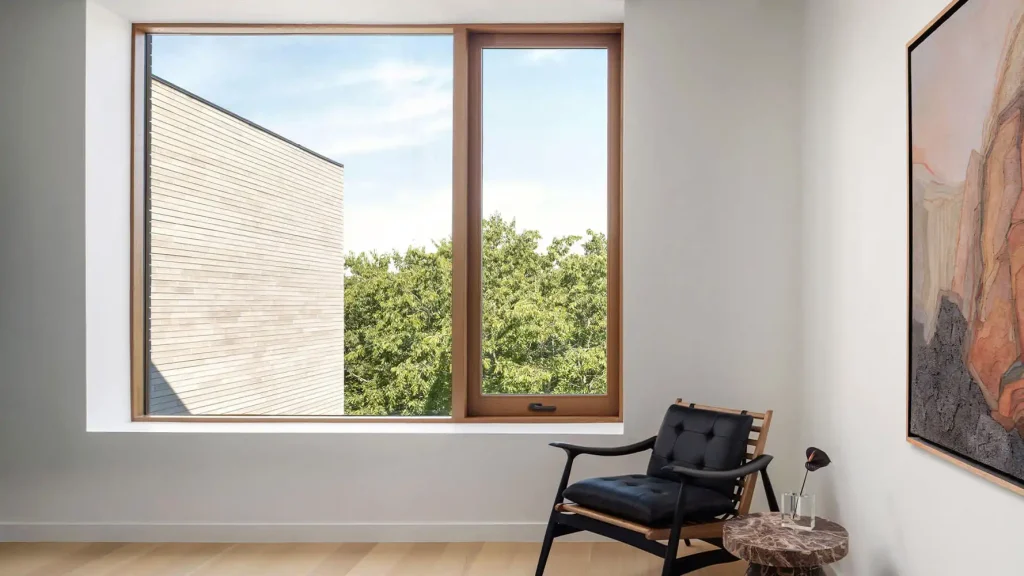
Either way—casement or awning—you’ll get reliable performance, nice looks, and decent energy savings. Just think about what you need most: big airflow, opening in the rain, or enough room outside.
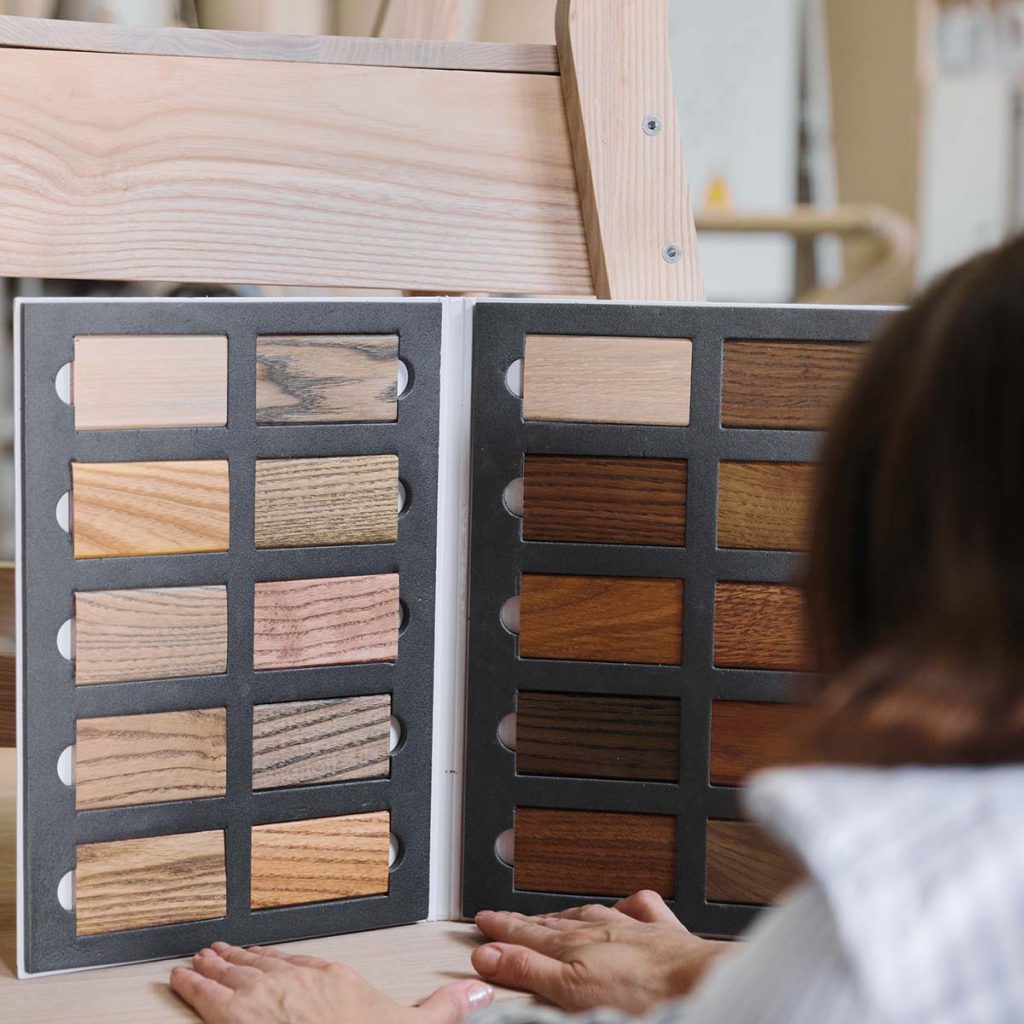
Hiseng can custom-make them for you. Pick your wood type, aluminum color, glass style, and exact sizes so everything matches your house. For measurements, picking materials, or adding things like automatic blinds, it’s smart to work with people who know what they’re doing.
We handle the whole process—advice, building, installing, and help afterward with casement windows and awning windows support.
Good windows last a long time and add real value. They make your home more comfortable, easier to maintain, and cheaper to run all year. Aluminum-clad wood uses natural wood inside for warmth and tough aluminum outside to stand up to the weather.
FAQ
Q: Can I keep an awning window open when it’s raining?
A: Yes. The top hinge makes an overhang that blocks most light rain while air still comes in.
Q: Do casement windows and awning windows come with bug screens?
A: Yes. Both types usually have screens you can take off from inside. They stop insects but let the breeze through.
Q: Which gives more fresh air—a casement or awning windows?
A: Casements usually win. They open completely and catch wind over the whole area. Awnings only open from the bottom partway.
Q: Which saves more energy, casement windows or awning windows?
A: Both are excellent. Their tight seals and modern glass make them pretty much equal.