What Makes Casement Windows Prone to Drafts?
Casement windows stand out for their good airflow and clean lines, but like any other window type, they might turn leaky as time goes on. Figuring out the causes can let you catch problems soon and handle them right away.
Why Do Casement Windows Start Letting in Drafts?
As years pass, even the finest casement windows could begin allowing extra air to slip in. One of the most common reasons is worn weatherstripping. This can form tiny spaces near the window frame and sash. Once this guard layer wears down, cool air gets inside quite simply.
A different problem may involve a twisted sash or frame. The sash is the part of the window that swings open and shut. If it twists or curves from years, dampness, or changes in warmth and chill, then it might not shut firmly anymore. As a result, this off-kilter fit weakens the seal.
Loose or damaged hardware counts as another big element. Hinges and locking parts can come loose gradually. That leads to the window moving just a touch from its spot. In those cases, even though the window seems closed, it lacks a solid seal.
How Can You Tell If a Casement Window Is No Longer Sealing Properly?
You could see that the window feels tougher to lock or fails to catch fully. This usually means the sash sits crooked or twisted. One more obvious clue comes from light showing along the sides when the window stays shut. If daylight can get in, air can too.
A shaking noise during breezy days serves as yet another alert. It shows the window isn’t held tightly in place, allowing air to flow without trouble via minor openings.
Top 5 Signs Your Casement Windows Are Drafty
1. Do You Feel a Breeze Even When the Window Is Closed?
When you sit by a shut casement window and sense a cool draft or gust, that points to a plain leak. That’s a clear sign of an air leak. This usually happens when the weatherstripping is worn, cracked, or has started to peel away.
2. Is Your Energy Bill Higher Than Usual?
Leaky windows push your heating and cooling setup to labor more in order to hold a steady inside warmth. For that reason, you might spot a jump in your power costs. Bad insulation from weak seals near your casement windows can raise heating and cooling expenses quite a bit.
3. Can You Hear More Outdoor Noise Than Before?
Sounds move readily through splits or slack seals in windows. If outdoor sounds all of a sudden feel stronger than earlier—be it cars, dogs yapping, or gusts—it could stem from your casement window’s seal not being fully sealed anymore.
4. Are There Visible Gaps or Cracks Around the Window Frame?
Casement windows might gain clear openings from moving bases, worn materials, or wrong setup. Those breaks let in not just air but also dampness and bugs to enter your house.
5. Does Condensation Build Up Between Panes or on the Frame?
If you notice moisture between sheets of double-glazed glass, that often signals the seal has given out. Additionally, extra moisture on the window frame might hint at weak insulation or uneven damp levels caused by leaks.
How to Fix Casement Windows That Let in Drafts
What Are Simple DIY Fixes for Drafty Casement Windows?
Replace Weatherstripping
Begin by pulling off any worn weatherstripping that is split or pressed flat. After that, put in fresh strong weatherstripping near the sash and frame to bring back a firm seal.
Adjust or Tighten Window Hardware
Take a screwdriver and secure any loose hinges or locks. These actions can frequently straighten the sash. Then it lets the window shut closer to the frame.
Apply Caulk Around Gaps in the Frame
Look over the edge of the window frame for clear spaces where it touches the wall. Put on outside-rated caulk to close those spots and stop air escapes. Smooth it out with a caulking tool for a neat finish.
Install Insulating Film Over Glass Panes (Temporary Fix)
For a fast fix during colder seasons, place clear shrink film across the inside face of your casement window glass. This brings an added warmth layer. It also aids in cutting drafts in cooler times.
When Should You Consider Replacing Instead of Repairing?
If your casement window twists past fixing straight, shows rot marks, or still won’t shut well even after fixes, then swapping it out could be the way to go. Updated versions often save energy and prove more affordable over the years.

What Makes Aluminum Clad Wood Casement Windows from Hiseng Worth Considering?
Why Choose Hiseng’s Timeless Design Aluminum Clad Wood Casement Window?
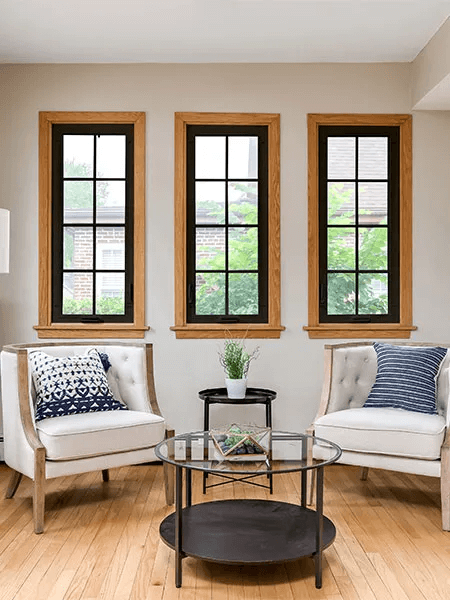
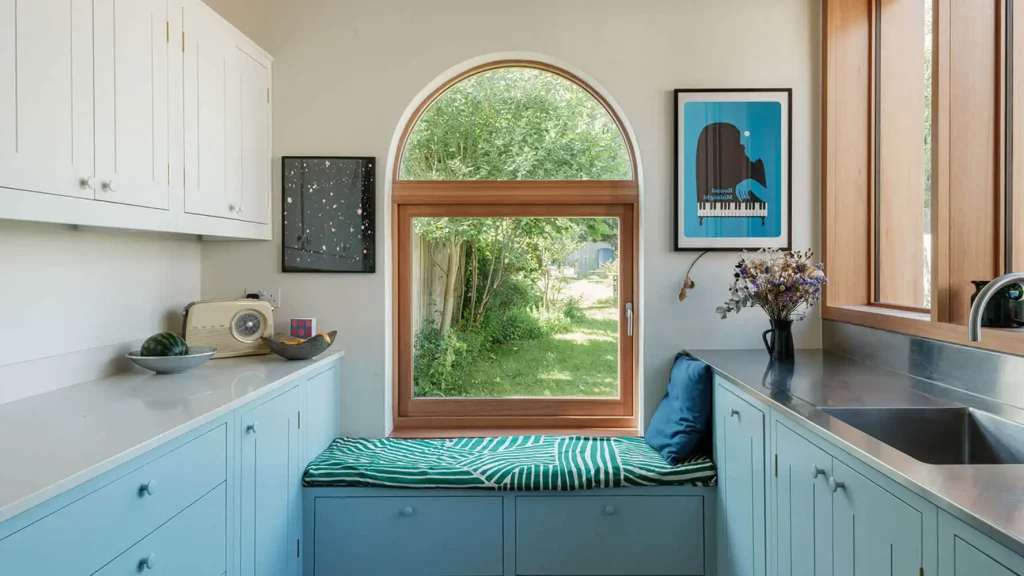
Each casement window, crafted with aluminum and timeless wood materials, is a perfect blend of precise and natural warmth, where geometric elegance meets the richness of wood. Our aluminum-clad wood casement windows offer the best of both worlds: a natural wood interior for warmth and aesthetics and an aluminum exterior for durability and weather resistance.
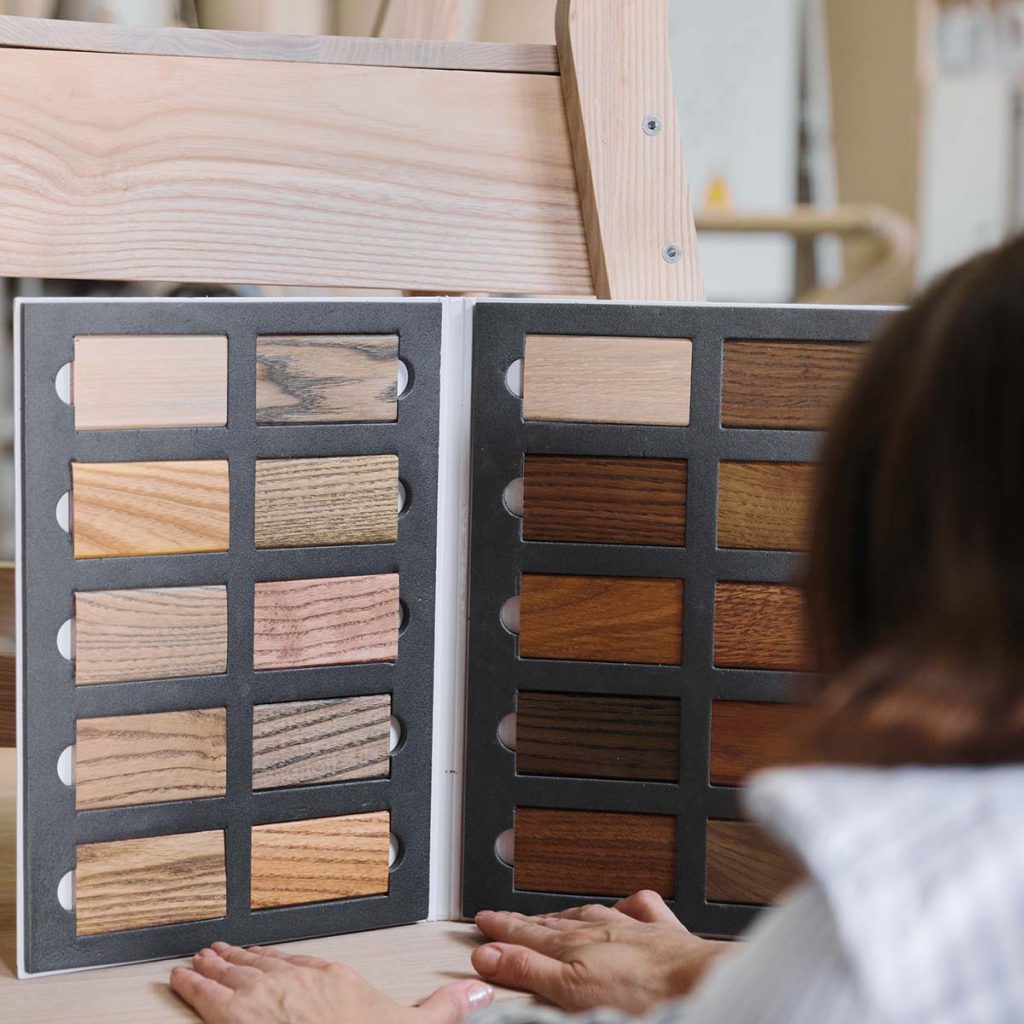
The wood exterior adds a harmonious, cozy feel and natural beauty to the window, complementing both modern and traditional styles. With customizable finishes including Burmese teak, cherry wood, black walnut and more, these windows effortlessly elevate any space.
How Does This Window Help Prevent Drafts Long-Term?
Hiseng casement windows highly effective at reducing heat loss, promoting lower heating and cooling costs. Thanks to precision engineering and multi-point locking systems, our casement windows seal tightly—helping prevent air leaks even during extreme weather conditions.
The thermal break, hollow structure and aluminum-wood composite structure greatly enhances the sound insulation, sealing and thermal insulation performance, greatly reducing the energy consumption of heating and cooling. Our high-performance glazing options further minimize heat transfer and enhance comfort all year round.
We use hollow glass, Low-E glass, double sealing strips and other technologies to make the sound insulation performance of windows and doors reach 35-45 decibels. This effectively keeps both noise and drafts at bay while maintaining indoor climate control efficiently.
FAQ
Q: How do I check if my casement windows are leaking air?
A: Hold a lit candle near the edges of your closed window on a windy day—if the flame flickers, there’s likely a draft.
Q: Can I fix drafty casement windows without replacing them entirely?
A: Yes, many issues , such as worn-out weatherstripping or loose hardware can be fixed with basic tools and materials.
Q: What is the best way to insulate casement windows for winter?
A: Replacing weatherstripping, sealing gaps with caulk and using insulating film are effective short-term solutions; upgrading to energy-efficient models like Hiseng’s aluminum clad wood windows offers lasting results.
Sensing cold near your windows? Perhaps it’s time for a better inspection—or think about getting one of our top Hiseng aluminum-clad wood casement windows. They bring lasting style and power-saving features that handle any season well.