Picking the best window type for a building can be tough. This applies to new builds, remodels, or business projects. You need to think about airflow, energy savings, looks, and how it handles local weather.
One of the most flexible and weather-tough window types out there is the awning window. It handles air flow and dampness well. It also fits modern or old-school building styles.
Awning windows are getting more popular. They let in air even when it’s raining. They seal tight for better insulation. They mix well with other window types too.
This guide covers what awning windows are. It explains how they operate. It lists their main perks. It shows best uses. It shares tips for picking them.
What Are Awning Windows?
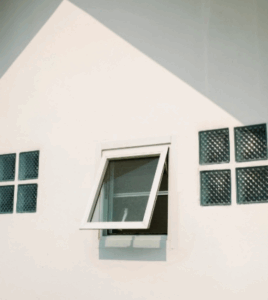
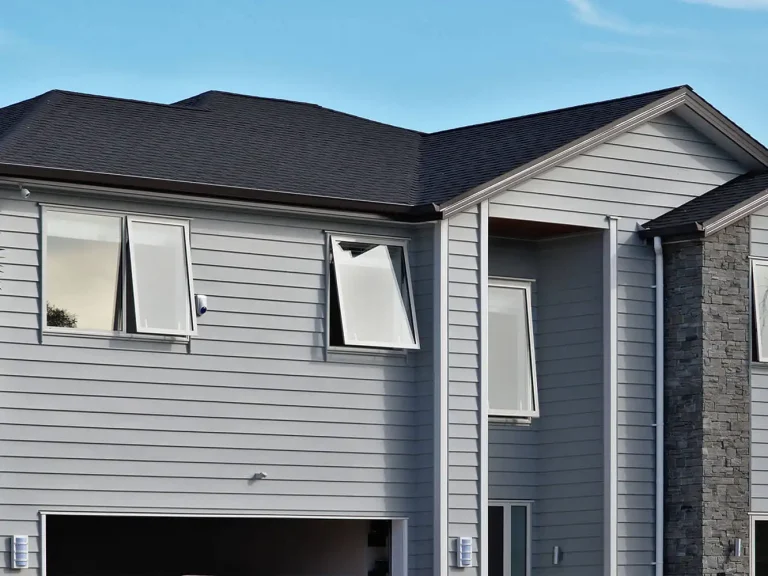
Awning windows are windows hinged at the top. They open out from the bottom. This makes a canopy shape. That’s why they’re called awning windows.
The build includes a glass panel in a frame. It’s hinged up top. It swings open on a level line.
This setup does two jobs. It gives fresh air. It blocks rain and strong sun. You can use them alone. Or pair them with fixed or casement windows. They keep air moving without letting weather in.
How Awning Windows Work
The way awning windows operate is simple. But it works great. The sash hinges at the top. You open it with a crank, push system, or arm. It depends on the model and what you like.
When open, the bottom swings out. It makes an overhang. Air flows in. Rain stays out.
Newer awning windows have better parts. Think stronger hinges, better seals, good locks, and tough materials. These make them last longer. They’re easy to use. They seal tight against weather.
They shine in rainy or damp areas. They’re great for spots needing steady air flow. They keep comfort and safety high.

Advantages of Awning Windows
Awning windows bring real perks in function and style. They work in many building types:
Superior Ventilation in Any Weather
The top perk is air flow in bad weather. They open out from the bottom. This acts like a small roof. It pushes rain away. Air still comes in.
Reduced Glare and Sunlight Exposure
The slant cuts straight sun. Rooms stay comfy. Furniture avoids UV harm.
Energy Efficiency
They save energy with tight seals and natural air. They use compression seals. No sliding tracks. This cuts air leaks. It boosts heat hold. Add insulated glass and low-E coats. Savings go up a lot.
Design Versatility
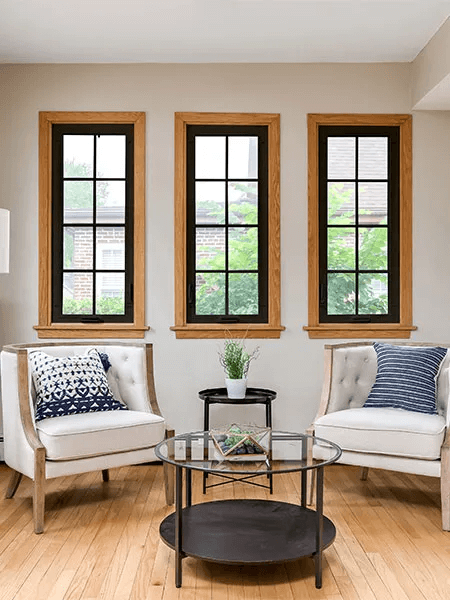
They have straight lines. They fit many styles. From sleek new homes to old cottages. They pair easy with other windows. Perfect for stacked looks that mix use and beauty.
Where Awning Windows Fit Best
Awning windows adjust well. They suit homes and business spots:
Residential Applications
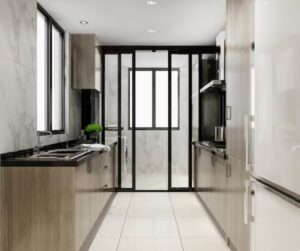
In houses, put them in kitchens and baths. Privacy and air matter there. They’re good in bedrooms too. High on walls for air without losing privacy or safety.
Commercial Applications
In shops like eateries, stores, and offices, they give steady fresh air. They stay open in light rain. Great for spots that need air without fans or AC.
Climate Suitability
Best for wet or muggy places. They handle damp well. Tight seals work in cold spots too. They cut heat loss.
Placement Considerations
They swing out. So pick spots with clear space outside. High walls help. They boost air cross-flow. They keep safety and privacy.
Key Factors to Consider
When picking awning windows, check these points:
Climate and Weather Resistance
Look at seal quality, hinge strength, and frame build. Test for water hold, air tightness, and wind push. Our doors and windows passed those tests. They have top water hold, air seal, and wind resistance.
Material Options
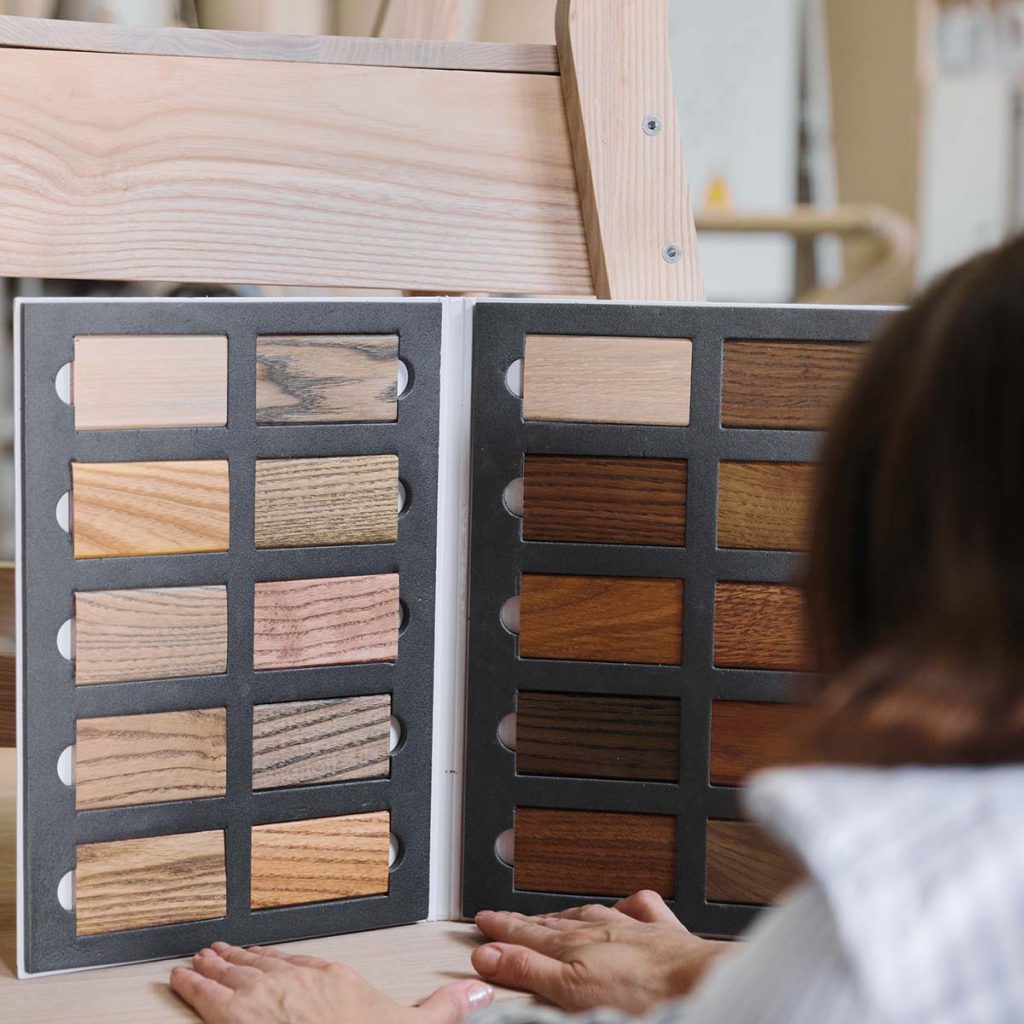
- Wood: Gives a warm classic feel inside. Needs upkeep though. Best if looks beat easy care.
- Vinyl: Cheap and low-care. Saves energy. But not as strong as others.
- Aluminum: Lasts long with a fresh look. Passes heat unless broken for thermal use.
- Fiberglass: Toughest choice. Great heat hold. Little upkeep.
At WANJIA windows, our aluminum-clad wood windows mix wood’s warm inside with aluminum’s tough outside. They fight weather well. They insulate heat great.
Size and Placement
Right size gives max air without overwhelming the room. Think views, privacy, and wall height. Key in small or busy spots.
Maintenance Preferences
Worried about upkeep? Go for low-care like aluminum-clad wood or fiberglass. It won’t fade, bend, or rot easy. Just wipe now and then.

Awning windows blend style and use smartly. They vent well even in rough weather. That beats most other types. New seal tech, climate-fit materials, and designs for old or new builds make them top picks. They work for homes or business.
WANJIA windows’s aluminum-clad wood awning window mixes trend and grace with power and steadiness. It’s great for premium long-haul picks. Backed by over 20 years of R&D experience in manufacturing high-end doors and windows, WANJIA windows provides not only products that meet international standards but also a comprehensive service system including consultation, customization, installation support, and after-sales awning windows support. Whether you’re designing your dream home or managing a large-scale construction project, WANJIA windows’s awning windows deliver on quality, functionality, and style.
FAQ
Q: What is an awning window?
A: An awning window is a top-hinged window that opens outward from the bottom, creating a canopy-like overhang. This design allows for ventilation while protecting the interior from rain and direct sunlight.
Q: Can awning windows be opened during rain?
A: Yes, one of the main advantages of awning windows is that they can remain open during light to moderate rain. The outward-sloping sash acts as a shield, deflecting water away from the opening.
Q: Are awning windows energy efficient?
A: Awning windows are highly energy efficient due to their compression seals that create an airtight closure when shut. Combined with natural ventilation and modern glazing options, they help reduce reliance on heating and cooling systems.
Q: Where is the best place to install an awning window?
A: Awning windows work well in kitchens, bathrooms, bedrooms, and high wall placements where privacy and ventilation are needed. They are also ideal for rainy or humid climates and commercial spaces requiring consistent airflow.