Selecting the best windows for your home isn’t just about style. It plays a big role in blending looks, practicality, and saving on energy bills. Your choice influences how air flows, how safe things feel, how easy they are to handle, how well they keep heat in, and your overall comfort at home. Two favorites these days are casement and tilt-turn windows. Each brings its own benefits and things to think about. These can shape your daily routine and how your place holds up over the years.
What Are Casement Windows?
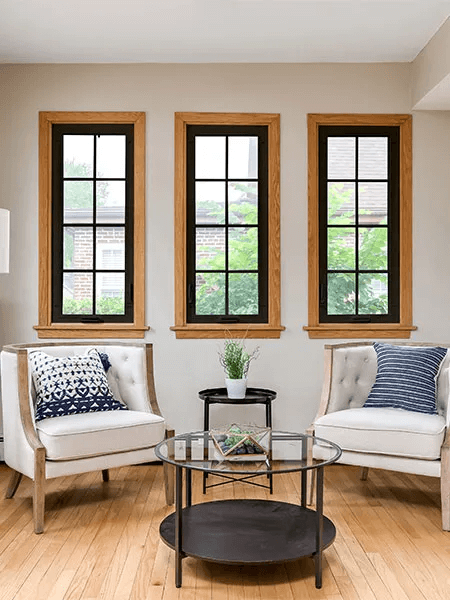
Casement windows attach with hinges on one side. They push open outward, much like a regular door. Most people use a handle crank to move them. They suit traditional homes nicely. Folks appreciate their basic setup and strong breeze flow.
Pros
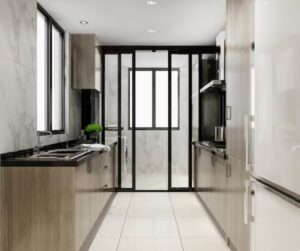
These windows deliver top-notch fresh air. The whole section swings wide open outside. This helps grab winds from the sides and push them indoors. The crank handle keeps things straightforward to use. It’s handy in awkward spots, like right over the sink in the kitchen. They shine in narrow spots or small openings. Other kinds, like sliders or double-hungs, might not work as well there.
Cons
Since they swing out, they’re not great for tight outdoor areas. Think walkways or cozy decks. Washing the outer glass on higher levels gets tricky. You may need extra gear or call in pros.

What Are Tilt-Turn Windows?
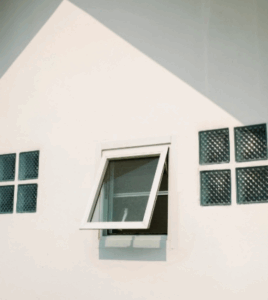
Tilt-turn windows work in two modes. They can lean in from the top for a bit of air. Or they can open all the way inward, similar to a door. This design started in Europe. It’s catching on in newer homes because of its handy features and sharp, simple appearance.
Pros
These windows stand out for their options. Tilt setting brings in gentle breezes from above. It stays locked and safe. Perfect for child safety. Full swing inward makes wiping both sides a breeze from indoors. Great for taller buildings or homes with multiple floors. They come with solid locks in several places. Seals are strong, helping cut energy use.
The tilt and turn window with wood clad and aluminum is not merely a window, but a perfect interpretation of architectural design and practical innovation.
Cons
They tend to cost more upfront than standard ones. That said, many see the value. They hold up well, cut down on fixes, lower bills, and sometimes earn rebates for being green.
Comparing Casement and Tilt-Turn Windows: Pros, Cons, and Key Differences
To decide what’s right for you, check how they stack up in main areas.
Functionality and Ventilation
Casement styles bring in loads of air when fully pushed out. They scoop up winds and send them right in.
Tilt-turn offer better control over air. Tilt brings soft flow from the top. Safety doesn’t drop. Full inward open gives big airflow. It also serves as a quick way out if needed.
Ease of Maintenance
Higher casements are hard to wash outside. They face out.
Tilt-turn simplify the job. Full inward swing lets you get to both panes from inside without risk.
Aesthetic Appeal
Casements have that classic charm. They match older or warm, inviting houses.
Tilt-turn go for a sleek, current vibe with neat lines and slim edges. The tilt and turn window with wood clad and aluminum is not merely a window, but a perfect interpretation of architectural design and practical innovation.
Material and Customization Options
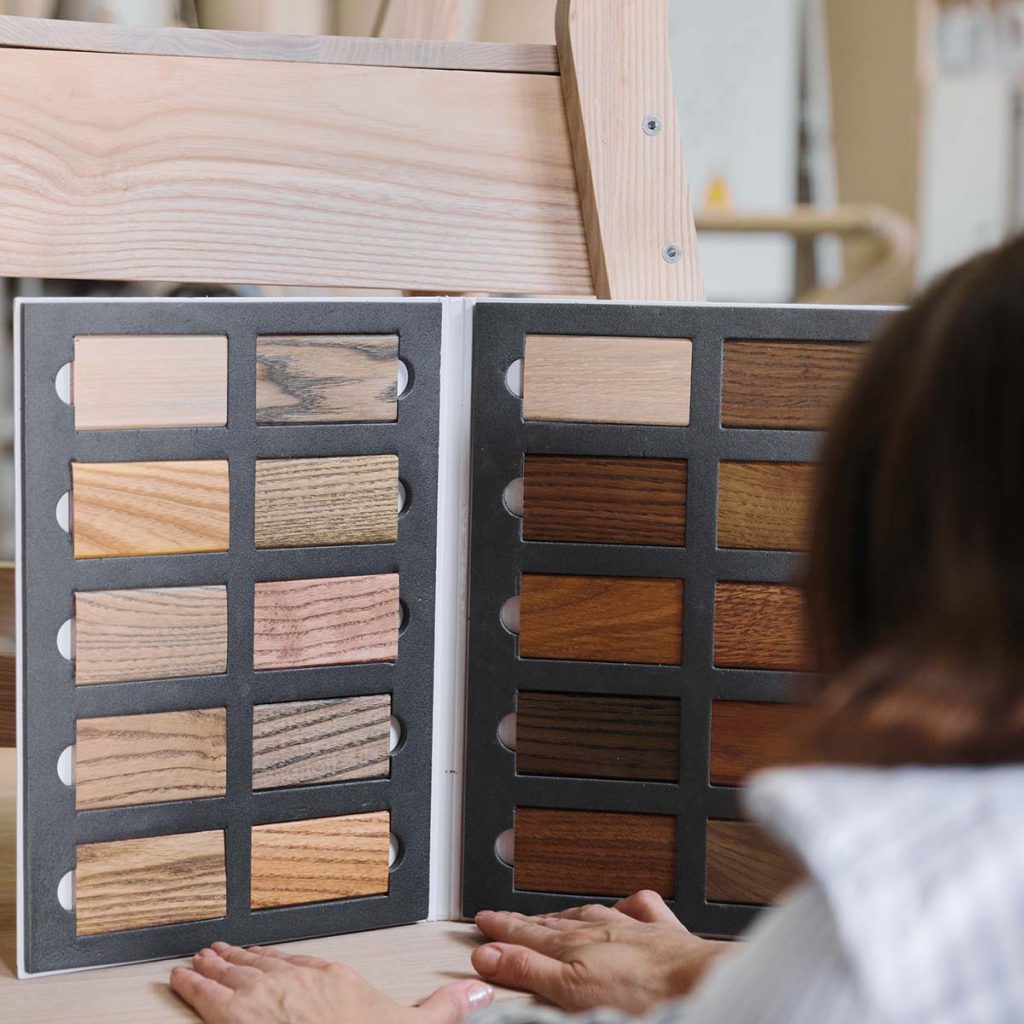
Both kinds come in options like plain wood, aluminum, or wood covered in aluminum. At WANJIA windows, we provide customized sizes, wood species, aluminum colors, glass types and other options to meet different architectural design needs. Tilt-turn often use uPVC or aluminum frames. Plenty of shades, forms, and glass picks available.
Energy Efficiency
Casements close snug if done right. Quality of install and fittings matters.
Tilt-turn generally edge ahead. Wood plus aluminum blocks heat movement well. It lowers loss and raises savings. Things like chambers in the frame boost this further.
Security
Casements usually lock at one spot.
Tilt-turn lock in multiple places along the edge. Hard to force open. Good for lower floors or spots wanting more protection.
Cost Considerations
Casements keep initial prices down. Simple build and hardware.
Tilt-turn involve fancier parts and exact making. Higher start cost. Yet they endure, cut energy spend, and need little care. Solid deal long-term.
Why Choose Tilt-Turn Windows?
Tilt-turn bring together clever build, choices, protection, and eco perks. They draw in people wanting top quality.
Superior Design and Technology
WANJIA windows’s tilt-turn windows feature smart elements like firm joins and chambered sections in uPVC and aluminum. This holds strong even in rough weather.
Customizable Options
Customers can choose different wood species, aluminum colors, glass options and door and window sizes according to their needs to ensure that the product perfectly matches your architectural style and functional requirements.
They work across styles, from fresh apartments to old-school homes.
Energy and Storm Resistant Features
The combination of wood and aluminum provides excellent insulation, reducing heat transfer and increasing energy efficiency. Additionally, they are suitable for coastal, high-rise and extreme climate areas due to their exceptional sealing technology that protects against wind pressure and water ingress.
Commitment to Sustainability
WANJIA windows adopts eco-friendly manufacturing processes using sustainably sourced wood species and recyclable aluminum materials. We use sustainably managed wood and recyclable aluminum, which meets environmental standards and is suitable for customers who focus on sustainable development.

Casements stay a good, safe bet for classic looks, straightforward use, or tighter budgets. When you need more options, stronger safety, better heat keep, quick washes, and updated style, tilt-turn often win out.
We are committed to providing high-quality, intelligent and personalized door and window solutions to customers around the world to ensure that customers have a safe, comfortable, beautiful and energy-saving living experience.
Need tips matched to your setup—house or office—reach out support from WANJIA windows folks. Our know-how and fresh ideas make sure you land the ideal windows for the job.
FAQ
Q: What is the main difference between casement and tilt-turn windows?
A: The big difference lies in movement. Casements push all the way out on side hinges. Tilt-turn give dual choices. Tilt in from top for breeze, or swing full in for wash and access.
Q: Are tilt-turn windows more energy efficient than casement windows?
A: Usually yes. They seal tighter, use chamber builds, and materials like wood over aluminum.
Q: Which is easier to clean: casement or tilt-turn windows?
A: Tilt-turn hands down. Especially upstairs. Full inward open reaches both glasses safely indoors.
Q: Are tilt-turn windows worth the higher cost?
A: For sure, in lots of cases. Upfront more, but payback comes in lower bills, less work, tough security, and lasting build.